Energy crisis to last through 2027, IEA warns of aftereffects of war with Iran
Global energy markets are unlikely to return in 2027 to the conditions they enjoyed before the start of the US and Israeli war against Iran. Widespread disruptions in supplies of oil, gas and oil products are already forcing countries to rethink their energy policies, and the impacts of the crisis may continue to be felt even after the fighting ends.
This was stated on October 26 by Fatih Birol, Executive Director of the International Energy Agency (IEA), during the Singapore International Energy Week, ThePrint reports.
According to Birol, he currently sees no realistic scenario in which global energy markets could return to pre-war conditions next year. Therefore, governments and companies need to make energy security a top priority and prepare for lasting structural changes in energy supplies.
One of the main problems remains disruption of shipments through the Strait of Hormuz—a strategic route for transporting oil and liquefied natural gas from Persian Gulf countries. The impact is particularly acute for Asia, which depends heavily on energy resources passing through this route.
According to the IEA head, the global energy system has simultaneously faced two massive disruptions to traditional supply flows: a decline in Russian energy exports to Europe and problems with transporting oil and gas through the Strait of Hormuz.
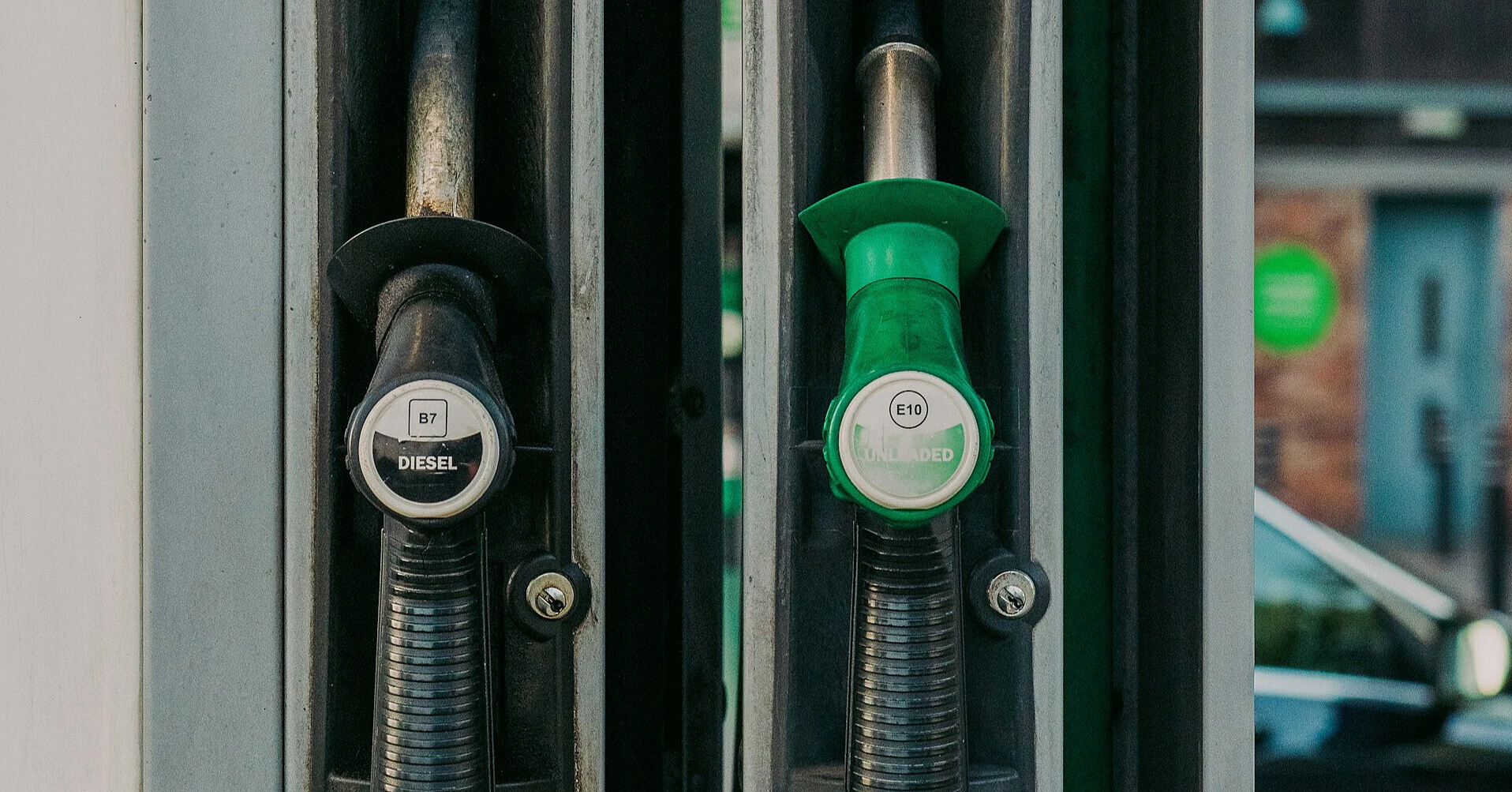
Of particular concern is the situation with diesel fuel. As the Malaysian agency Bernama reports, while speaking to journalists in Singapore, Birol noted that global oil prices are approaching $120 per barrel, while diesel fuel has roughly doubled in price compared to pre-war levels.
The IEA chief stressed that the impacts of the energy crisis cannot be judged only by oil quotations. Equally important is the situation with refined oil products, especially diesel, liquefied petroleum gas, gasoil and jet fuel.
The high cost of diesel adds extra burdens for the transport sector and agriculture. According to Birol, the combination of expensive fuel and disruptions in fertiliser supplies is especially dangerous. This could affect global food prices over the coming months.
The situation in Europe also remains difficult. In an interview with Al Jazeera on October 23, Birol warned that European countries are entering the heating season with gas reserves well below normal levels. At the same time, Europe has to compete with Asian buyers for limited volumes of liquefied gas.
The agency head did not rule out further increases in gas prices in the event of a cold winter. He also noted that even a quick end to the war in the Middle East will not allow instant restoration of disrupted supply chains.
Against this backdrop, countries are increasingly looking for alternative energy sources. According to Birol, the current crisis is boosting renewed interest in nuclear power and accelerating electrification of the economy.
Around the world, nuclear power units with a total capacity of about 90 GW are currently under construction—the largest volume of nuclear construction in the last four decades, according to IEA estimates.
Birol emphasised that countries need not only to increase their own electricity production, but also to diversify suppliers, develop alternative transport routes, and strengthen international electricity grid interconnections.
As a reminder, on October 16 “Kurs Ukrainy” reported that IEA countries agreed to accelerate the release of strategic reserves of oil and oil products. A priority became increasing supplies of diesel fuel, the deficit of which keeps prices high on the world market.
Sources: ThePrint, Bernama, Al Jazeera