Oil falls to two-month low after US elections
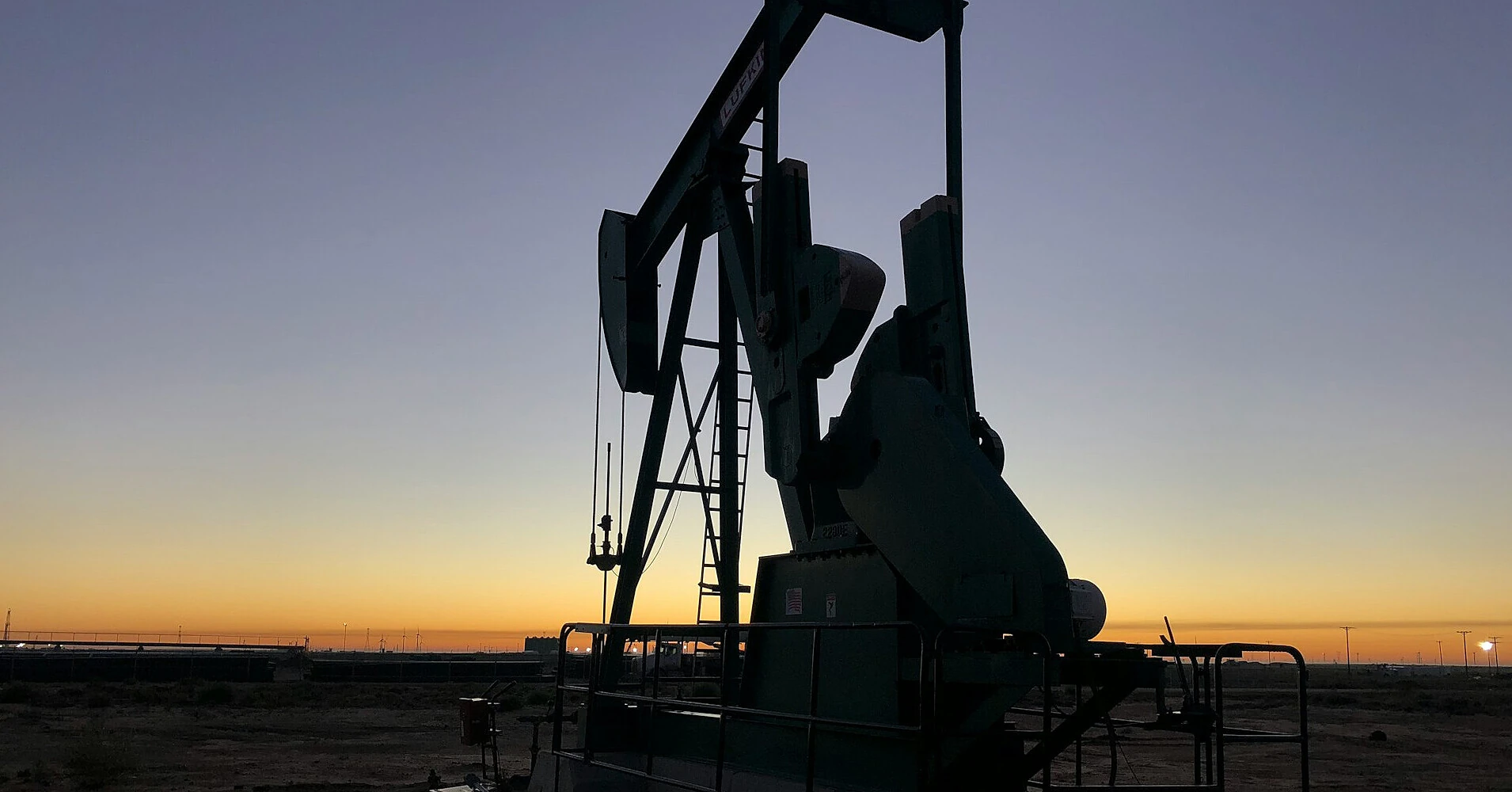
World oil prices on November 5 remain near two-month lows after a sharp drop the day before. Investors expect that the Democratic victory in the US midterm elections will increase political pressure on the Donald Trump administration and accelerate the search for ways to end the war with Iran.
The situation on the oil market is reported by Bloomberg and Financial Times.
At the end of trading on November 4, Brent crude fell 8.7% to $94.62 per barrel. US WTI lost 8.3%, dropping to $88.12. Both benchmark grades closed at the lowest levels since late August.
On Thursday morning, November 5, the decline continued. January Brent futures traded near $94 per barrel, while WTI – about $87. For American oil, Wednesday's drop was the largest in several months.
According to Financial Times, since the end of the previous week, Brent has lost more than 19% of its value. Back in October, prices reached six-month highs due to fears of a new escalation of the conflict between the US and Iran and a possible deterioration in oil supplies.
The main reason for the change in sentiment was the results of the US midterm elections, which gave Democrats control of both houses of Congress. Market participants suggest that the new parliamentary majority will be able to strengthen control over military spending and increase political pressure on the White House demanding an end to the war.
US Vice President Jay D. Vance linked the Republican defeat, in particular, to American voters' dissatisfaction with the war with Iran and Washington's relations with Israel. Democratic Senate Minority Leader Chuck Schumer announced his intention to seek an end to the conflict, which has been going on for nine months.
An additional factor in the decline in oil prices was the gradual recovery of crude exports from the Persian Gulf. As Bloomberg notes, supplies have approached pre-war levels, despite the continued threats to tankers in the Strait of Hormuz.
At the same time, the situation with petroleum products remains more difficult. Restrictions on maritime shipments and disruptions at refineries continue to affect gasoline and diesel fuel supplies. In particular, US distillate inventories, which include diesel, have fallen to the lowest level since 2003.
According to market participants, the reduction of the geopolitical premium in oil prices was also facilitated by Trump's statements that there are no immediate plans to intensify strikes on Iran. However, this does not yet mean reaching peace agreements between Washington and Tehran.
Analysts warn that the risk of a new rise in oil prices remains. Despite the election results, the White House continues to control US foreign policy, and the military situation in the Middle East remains unstable. In the event of renewed large-scale strikes or new supply disruptions, prices could again exceed $100 per barrel.
As reported by "Kurs Ukrainy" earlier, back on November 4, the oil market was reacting to contradictory signals regarding a possible end to the war. Diplomatic initiatives supported expectations of de-escalation, but significant differences between the parties to the conflict remained.
For Ukraine, the decline in world oil prices may become a factor in easing price pressure on imported petroleum products. At the same time, this does not mean an immediate reduction in fuel prices at gas stations: retail prices also depend on the exchange rate, taxes, logistics costs, and the cost of previously purchased batches.
Based on materials from: Bloomberg, Financial Times