Houthis attacked the second major Saudi Aramco refinery in two days
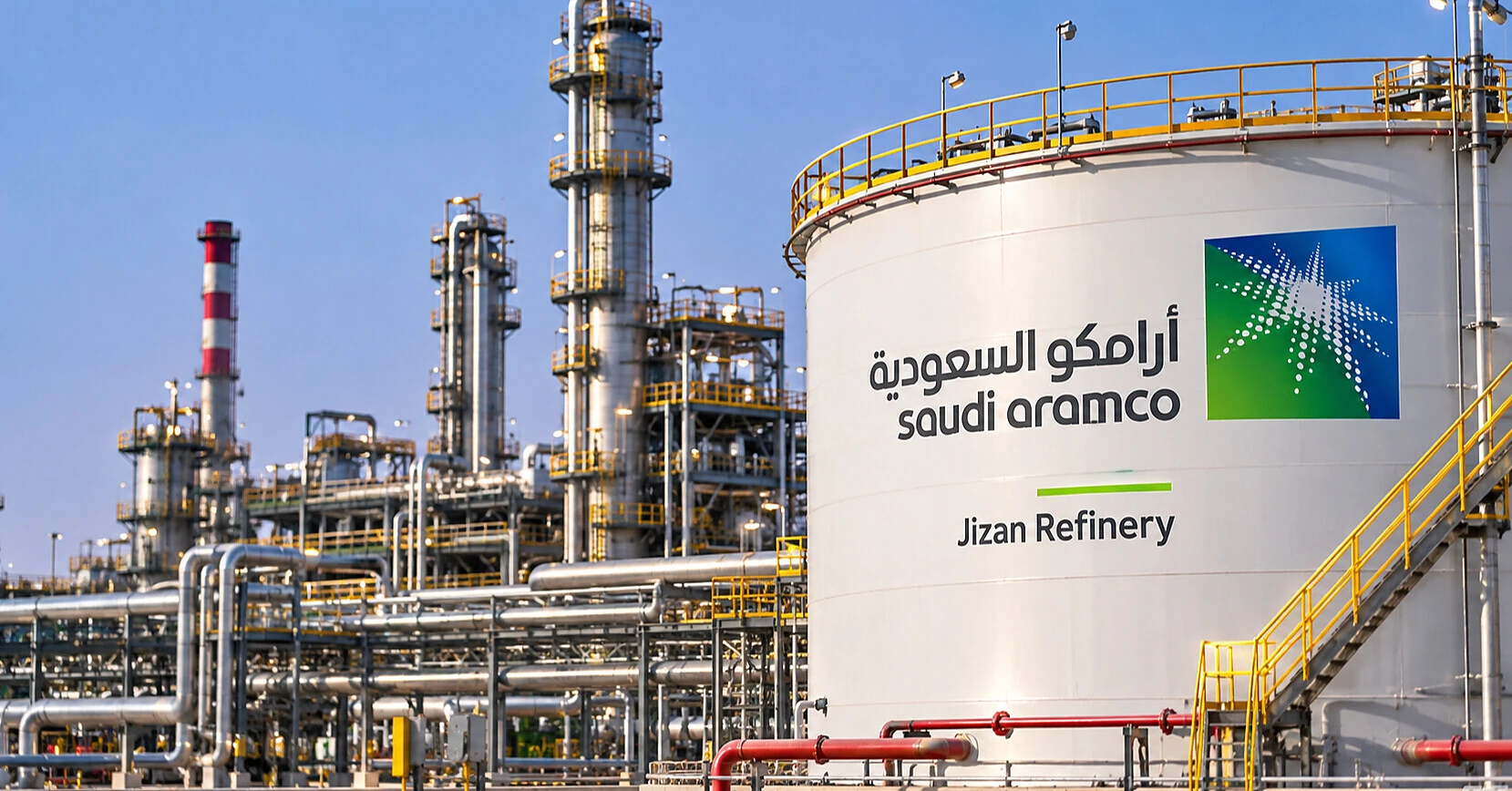
Yemeni Houthis attacked a refinery of the state oil company Saudi Aramco in Jizan, southwestern Saudi Arabia. The attack occurred the day after a strike on the kingdom's largest refining facility in Ras Tanura.
Reuters reported this on November 26, citing the Saudi-led military coalition opposing the Houthis in Yemen.
Coalition spokesman Turki al-Maliki said attacks on civilians and civilian infrastructure would trigger a decisive military response.
Later the coalition reported the destruction of a Houthi military facility in Yemen, which it claimed was used in the attack on the refinery.
Information about the scale of damage to the Saudi Aramco facility in Jizan, possible casualties, and the attack's impact on oil product output has not yet been released.
Significance of the Jizan refinery for the oil industry
The refinery in Jizan is part of a large integrated refining and petrochemical complex of Saudi Aramco, investments in which, according to company data, were estimated at $21 billion.
The facility is designed to process up to 400,000 barrels of crude oil per day. Among the main products are motor gasoline, ultra-low sulfur diesel, benzene, and paraxylene.
The complex was built as part of the industrial development program for Saudi Arabia's southwestern regions. Its products are intended for both domestic consumption and export.
Houthis intensified attacks on oil infrastructure
On Wednesday, November 25, the Houthis claimed an attack on Saudi Arabia's largest refinery in Ras Tanura, which has a production capacity of 550,000 barrels per day.
Houthi spokesman Yahya Saree reported fires at the facility. NASA and Planet Labs satellite images studied by Reuters recorded large-scale smoke. A source familiar with the situation confirmed the attack.
The Saudi coalition reported intercepting drones in the Ras Tanura area, but did not confirm direct damage to the refinery. The Saudi government and Saudi Aramco did not provide Reuters with immediate comments on the consequences of the incident.
The Houthis also claimed attacks on Saudi ports. According to The National, a separate attack on Jizan port caused minor damage, with no civilian casualties.
Houthi attacks on Saudi territory intensified after the resumption of the civil war in Yemen in July 2026 amid the armed conflict between the US and Iran.
Previous strikes had already led to temporary disruptions at some Saudi Aramco facilities, the cancellation of most international flights to Riyadh, and the postponement or cancellation of major international events, including the Future Investment Initiative and the Asian Cup football tournament.
Oil prices rise amid supply disruption risks
The worsening situation in the Middle East has heightened concerns among global oil market participants about possible disruptions in supplies of crude and refined products.
At the close of trading on November 25, Brent crude rose by 3.5%, and US WTI by 2%.
On Thursday, oil prices continued to rise after an initial decline. According to Reuters, as of 16:25 Kyiv time on November 26, Brent futures rose by 1.73% to $96.25 per barrel, and WTI by 1.31% to $84.78.
An additional factor in the price increase were reports from Iran about incidents involving commercial ships in the Strait of Hormuz, through which a significant portion of global oil supplies passes.
ANZ analyst Daniel Hynes warned that the expansion of the Middle East conflict threatens to interrupt the recovery in oil export volumes from the region that had started in recent weeks.
Amid this, market participants await the OPEC+ ministerial meeting scheduled for November 29, which is expected to discuss oil production policy for 2027.