The euro has hit a yearly low amid dollar strengthening
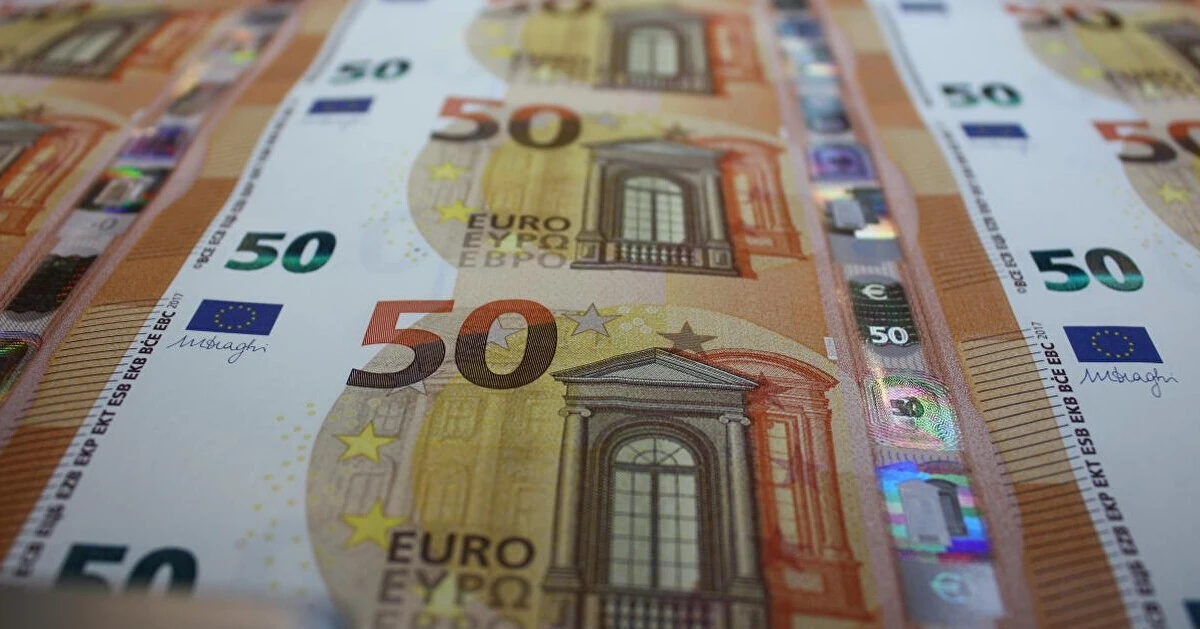
The euro continues to lose ground against the US dollar. On Wednesday, November 11, 2026, the EUR/USD currency pair hit a yearly low, falling to around $1.1080–1.1090. By the end of trading, the euro had fallen by about 0.6%, with pressure on the European currency intensifying from several directions at once.
The main reason for the decline is the sharp strengthening of the American dollar after the release of unexpectedly strong inflation statistics in the US and rising expectations of further tightening of monetary policy by the Federal Reserve System (Fed). An additional negative factor for the euro remains political and financial uncertainty in Europe.
Why the euro came under pressure
1. American inflation came in above forecasts. Released data for October showed consumer prices in the US rose by 0.4% month-on-month, against a forecast of 0.3%. Core inflation (excluding food and energy) increased by 0.3%. This heightened concerns that inflation in the US remains too high and the Fed will have to continue raising interest rates.
2. The market began to price in a new Fed rate hike. Additional pressure on the euro came from statements by Fed official Christopher Waller, who allowed for the possibility of a 0.5 percentage point rate hike in December if inflationary pressure persists. As a result, yields on US Treasury bonds rose, and the dollar became more attractive to investors. The dollar index DXY climbed to its highest levels since April 2025.
3. European problems also hinder the euro’s recovery. The European currency continues to be affected by political and budgetary uncertainty in France, concerns about eurozone economic growth, and questions related to the future leadership of the European Central Bank. At the same time, the ECB also has voices in favor of further rate hikes. However, this factor is not yet able to offset the dollar’s advantage stemming from tougher expectations regarding Fed policy.
Technical picture: where are the support and resistance for EUR/USD
After updating the yearly low, attention of FOREX participants shifted to the $1.1100 area. This is an important psychological and technical level, near which euro buyers had previously appeared.
The immediate task for euro buyers is to hold the EUR/USD pair above 1.1070–1.1100. If sellers manage to consolidate below this zone, the next target may be 1.1032. In case of further deterioration, a move to 1.0905 cannot be ruled out.
For the euro to recover, it first needs to return above 1.1170–1.1200, and then overcome resistance at 1.1276. Only a consolidation above 1.1355–1.1365 would allow talking about a more significant change in the technical picture.
What to expect from the euro going forward
In the coming days, the main focus of the currency market will be on American statistics and statements from Fed officials. If new data confirm the persistence of inflation, the likelihood of a December rate hike will increase, which could provide additional support to the dollar.
For the euro, the situation is complicated by the fact that investors do not yet see sufficient grounds for a sustained weakening of the American currency. Even expectations of further ECB rate hikes do not provide the European currency with the necessary support.
The baseline scenario for the near term is continued pressure on EUR/USD with the risk of retesting the yearly low. However, the 1.1070–1.1100 area may become a zone of technical rebound. Much will depend on the further dynamics of US bond yields and expectations regarding the December Fed meeting.
At the same time, it is important to consider: if US inflation begins to slow and expectations of a Fed rate hike weaken, the dollar could quickly lose some of its gains, opening up an opportunity for the euro to recover.