Antalya did not adopt the final climate pact of the UN summit COP31. Why did the EU reject the compromise?
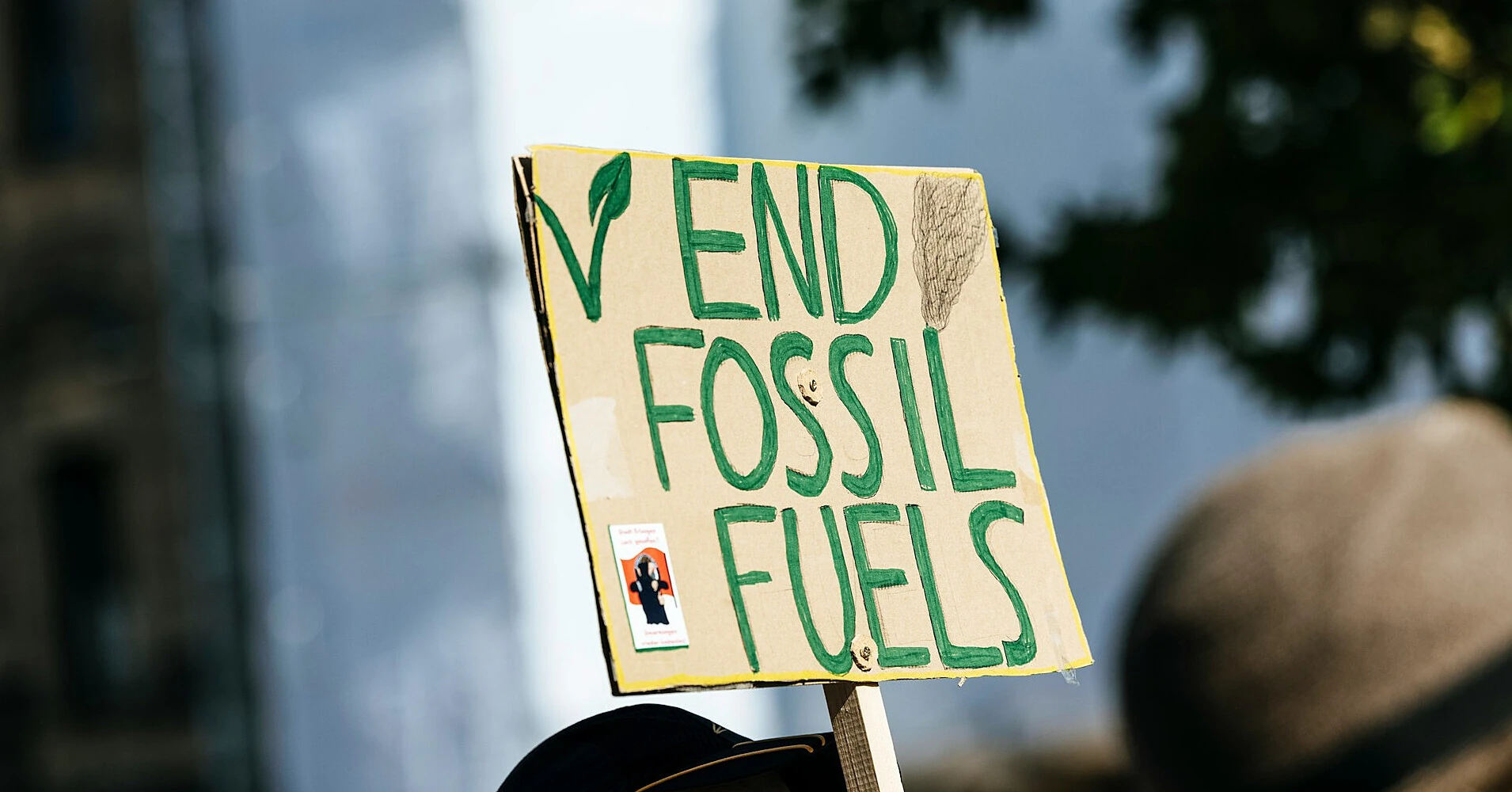
At the closing session of the UN climate summit COP31 in Antalya on November 22, participants did not adopt the final pact. One of the reasons for the EU's refusal to support the draft was the lack of direct mention of fossil fuels. Summit chairman Murat Kurum said that there was no agreement on the document and he would not put forward a new text.
The summit was planned to end on Friday, November 20, but negotiations continued on Sunday. The EU's objections at the session were presented by Ireland's Climate Minister Darragh O'Brien. Panama and the Marshall Islands also opposed the draft.
The draft referred to the decisions of the 2023 summit in Dubai, where countries called for a gradual phase-out of coal, oil and gas in energy. The Antalya text did not repeat that call. It proposed expanding the use of carbon capture and storage technologies. According to Reuters, Saudi Arabia and other major oil producers sought to ensure that the document would not directly mention fossil fuels.
Another contentious issue was financing for measures that help developing countries prepare for droughts, floods and other consequences of climate change. The call to at least triple adaptation finance by 2035 was voiced at COP30. In Antalya, it was proposed to discuss how to achieve this and to prepare options for the baseline level from which growth could be calculated.
Based on materials from: Reuters, The Guardian, Antalya Pact draft and COP30 decision.