Cards overtake cash for first time in eurozone shops — why shoppers want to keep choice
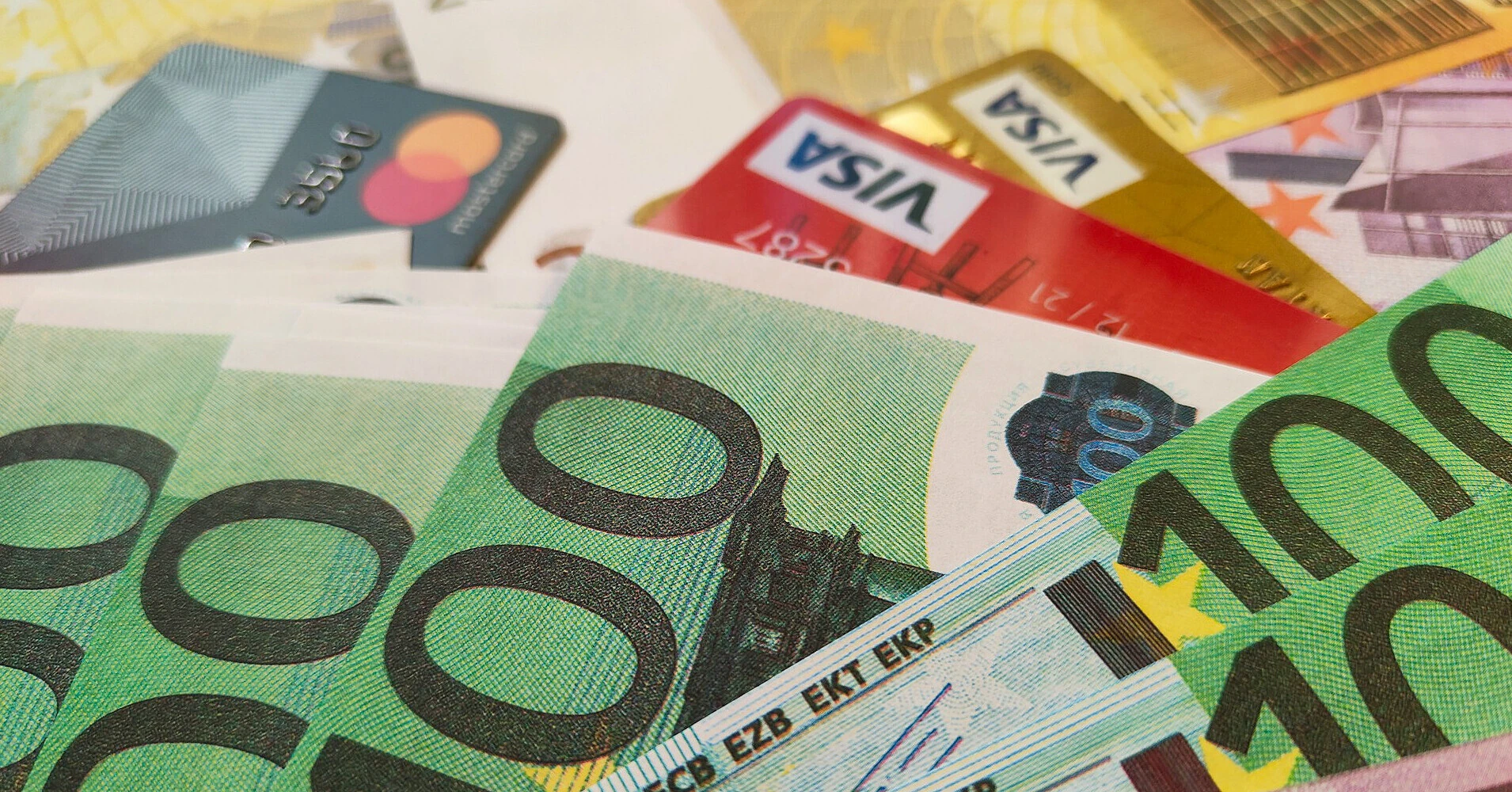
In shops and other retail outlets in the eurozone, for every 100 payments, 45 were made with a physical bank card and 44 with cash. Cards took the lead for the first time since comparable data began in 2016. At the same time, 62% of respondents consider it important to be able to pay with cash, according to a European Central Bank study published on 25 November.
By total payment amount, the gap is wider. Physical cards accounted for 51% of purchase value, cash for 37%. Payments via smartphone or watch were counted separately by the ECB, even if a bank card is linked to the device. The share of such payments rose from 6% in 2024 to 9% in 2026 in terms of number of transactions.
For purchases under €10, cash remains the most common payment method. Cards are also increasingly used for coffee and other inexpensive purchases. Among payments below €5, the share of physical cards grew from 21% to 24% over two years.
Habits differ noticeably by country. In Italy, 49% of retail purchases were paid in cash, in Spain 47%, in France 36%, and in the Netherlands 18%.
Shoppers value cards for speed and convenience. Among cash benefits, 39% of respondents named privacy, and 36% said it is easier to keep track of spending. 82% of survey participants consider it important to be able to pay by card.
Choice also matters at the checkout. In every eurozone country, at least 12% of respondents had encountered a situation in the month before the survey where their card or mobile payment was not accepted. In total, 51,551 people took part in the study. The ECB collected data in autumn 2025 and spring 2026.
Sources: European Central Bank, full report on payment habits of euro area residents.