China increased oil purchases from Brazil amid war with Iran
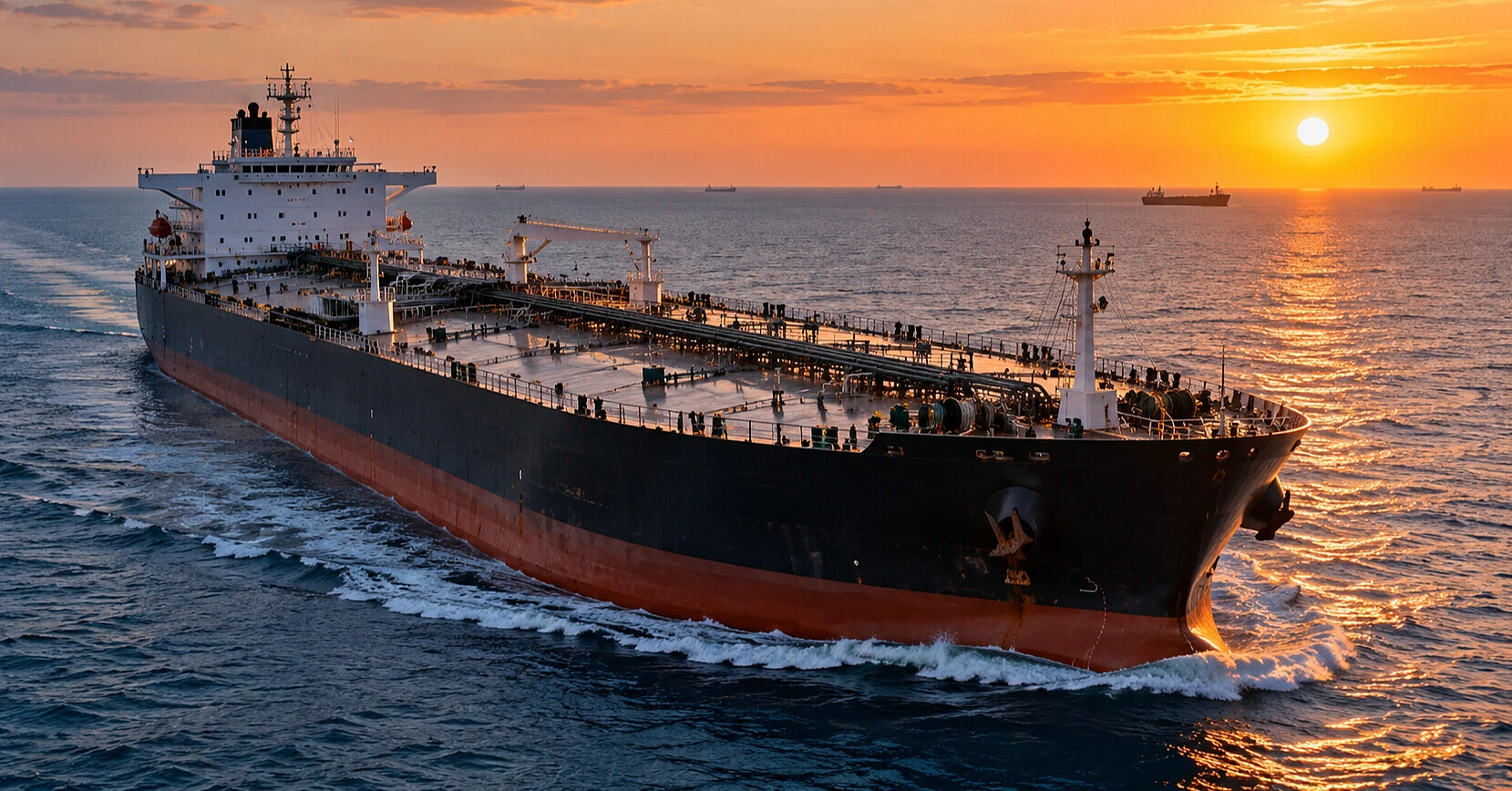
China significantly increased purchases of Brazilian oil amid the war in the Middle East and disruptions in transporting raw materials through the Strait of Hormuz. In the first nine months of 2026, the Chinese market accounted for about half of Brazil's total oil exports, and the value of supplies reached a record level.
This was reported by South China Morning Post, citing a study by the Brazil-China Business Council (CEBC), based on official trade statistics.
From January to September, Brazil exported oil to China worth 21.8 billion dollars, which is 49% more than in the same period last year. At the same time, physical supply volumes grew by 27%, and the average export price increased by 16.8%.
China became the main buyer of Brazilian oil by a wide margin over other countries. Its share in Brazil's oil exports turned out to be almost seven times higher than that of India, which ranked second among buyers.
In the nine months, Brazil exported oil worth 43 billion dollars, increasing its corresponding revenue by 28.7% year-on-year. Thus, the Chinese market provided about half of the revenue from overseas sales of Brazilian oil.
In Brazil's exports to China, oil ranks second after soybeans. It accounts for 25.8% of all supplies in monetary terms — 6.3 percentage points more than a year earlier. The share of soybeans is 35.4%.
One of the reasons for the growing demand for Brazilian oil was supply disruptions from the Persian Gulf. After the start of US and Israeli strikes on Iran in late February, tanker traffic through the Strait of Hormuz was seriously limited.
Before the conflict began, this route carried a significant part of China's seaborne oil imports. The disruption of customary logistics chains forced Chinese refineries to more actively seek suppliers independent of the situation in the Persian Gulf.
As a result, Brazil received additional demand for its raw materials. According to the Brazil-China Business Council, tension in the Middle East and risks to shipping contributed to an increase in oil purchases from alternative producers.
Meanwhile, the growth in Brazilian supplies occurred amid an overall reduction in Chinese oil imports in the second quarter. According to Chinese customs data cited by the US Energy Information Administration, total crude oil imports during that period fell by 32%.
The increase in purchases from Brazil also became part of a broader expansion of trade relations between the two countries.
According to CEBC, trade turnover between Brazil and China from January to September reached a record 143.3 billion dollars, up 11.1% compared to the same period in 2025.
Brazilian exports to China grew by 12%, to 84.7 billion dollars. At the same time, imports of Chinese goods increased by 9.9%, to 58.6 billion dollars.
Brazil's trade surplus with China amounted to 26.1 billion dollars. This is about 42% of the country's total foreign trade surplus for the period under review.
In addition to oil, soybeans and iron ore remain the most important items of Brazilian exports to the Chinese market. Together, these three commodity groups provide more than three-quarters of Brazil's export revenue from trade with China.
At the same time, supplies of Chinese industrial products to Brazil are growing, primarily electrified vehicles. Imports of plug-in hybrids increased by 89%, to 2.87 billion dollars, and fully electric vehicles — by 341%, to about 2.4 billion dollars.
Thus, changes in the global oil market not only increased demand for Brazilian raw materials, but also became one of the main factors in the growth of trade between the two largest economies in Asia and South America.
Based on materials from: South China Morning Post, Brazilian Ministry of Development, Industry, Trade and Services.