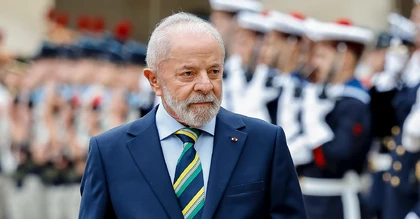
Student movement wins election in Serbia: Vučić concedes defeat
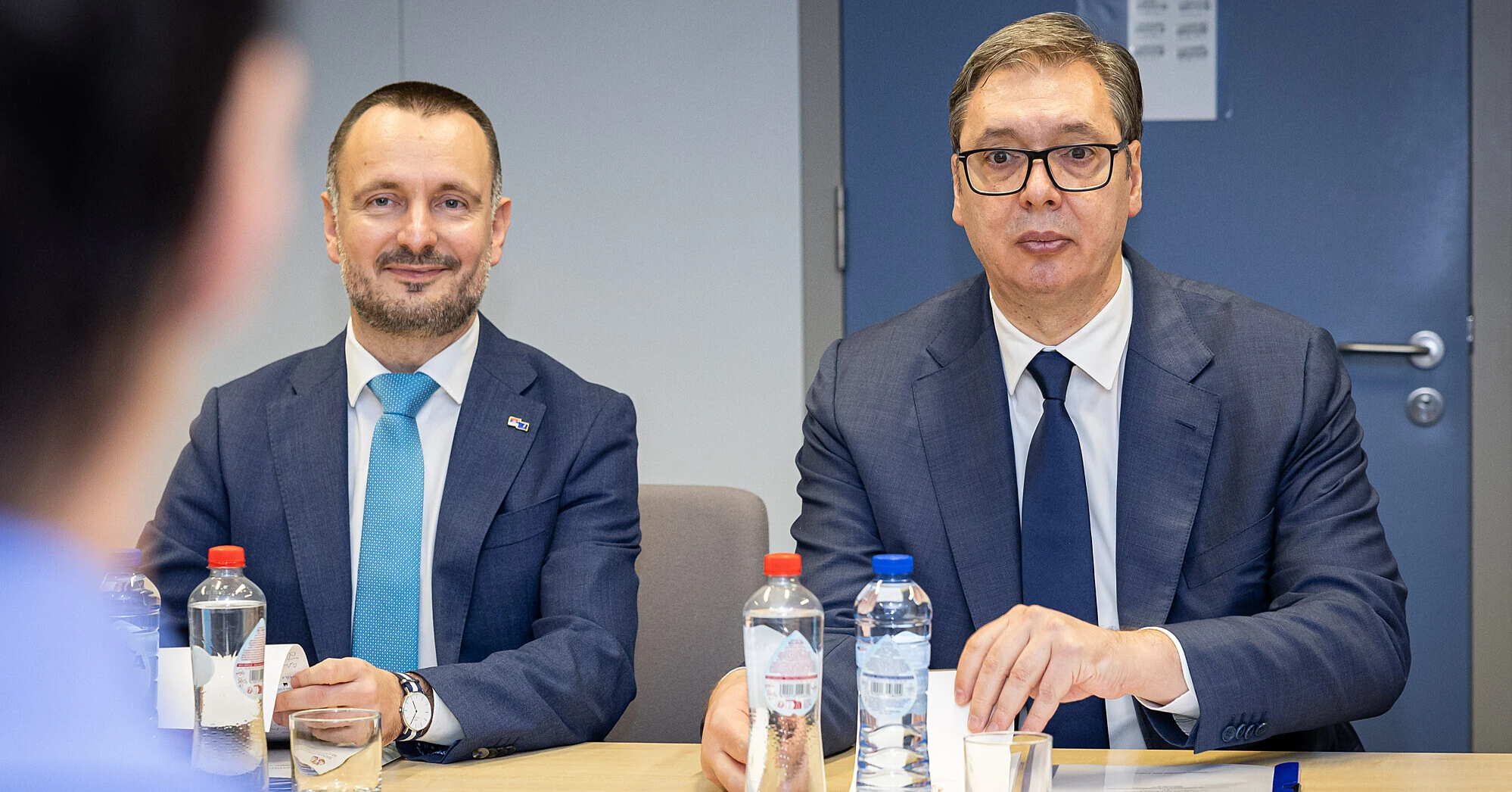
In the snap parliamentary elections in Serbia on 25 October, the opposition "Student List - Students Win" emerged victorious. The political bloc of former president Aleksandar Vučić suffered a defeat, paving the way for a change of government after years of dominance by the Serbian Progressive Party.
According to preliminary data from the Republic Electoral Commission, released on the morning of 26 October, after processing results from 7,926 of 8,392 polling stations, the student movement received 52.19% of the vote, with over 2.11 million voters supporting it.
The coalition "Aleksandar Vučić - United Serbia" received 39.52%, or about 1.6 million votes. The Socialist Party of Ivica Dačić, a long-time partner of Vučić's party, received only 2.21% and failed to cross the national electoral threshold.
Turnout was 68.73%, indicating high voter activity.
According to the latest projection by Ipsos and CeSID, the student movement could win 141 seats in the 250-seat parliament, while Vučić's coalition would get 103 mandates.
A parliamentary majority requires 126 seats. Thus, the election winners can form a government without involving other political forces. The final distribution of seats must be confirmed by the electoral commission.
Vučić concedes defeat and predicts sanctions against Russia
Aleksandar Vučić conceded his coalition's defeat on the evening of 25 October, without waiting for the official vote count to finish. He stated that his political force would work in opposition.
At the same time, the former president predicted that the new Serbian government would impose sanctions on Russia by March or April 2027.
According to Vučić, representatives of the student movement allegedly hid their true foreign policy intentions from voters.
However, the "Student List" itself had previously expressed an opposite stance. On 30 September, the movement officially stated that if it came to power, Serbia would maintain its policy of non-imposition of sanctions against Russia.
Thus, Vučić's words remain his political forecast, not a confirmed decision of the future government.
Change of power after prolonged protests
The student movement's victory was the result of nearly two years of confrontation with the authorities. Mass anti-government protests began after the collapse of a canopy at the Novi Sad railway station in November 2024, which killed 16 people.
Protesters accused the authorities of corruption and demanded accountability of officials, a transparent investigation into the tragedy, and the holding of snap parliamentary elections.
European institutions have already reacted to the voting results. EU Commissioner for Enlargement Marta Kos congratulated the student movement on its victory and said that a new stage of relations with the European Union could begin for Serbia.
European Commission President Ursula von der Leyen and European Council President António Costa also expressed readiness to support Serbia's reforms and European integration.
After official confirmation of the election results, the formation of a new parliament and government is to begin. One of the key issues for the future cabinet will be determining the country's foreign policy course, particularly relations with the EU, Russia and China, on which Serbia's trade and energy ties depend.
Earlier, Kurs.com.ua reported on Vučić's decision to hold snap parliamentary elections amid ongoing anti-government protests.
Sources: RTV Vojvodina, Alo, N1