EU fines largest fragrance ingredient manufacturers for cartel collusion
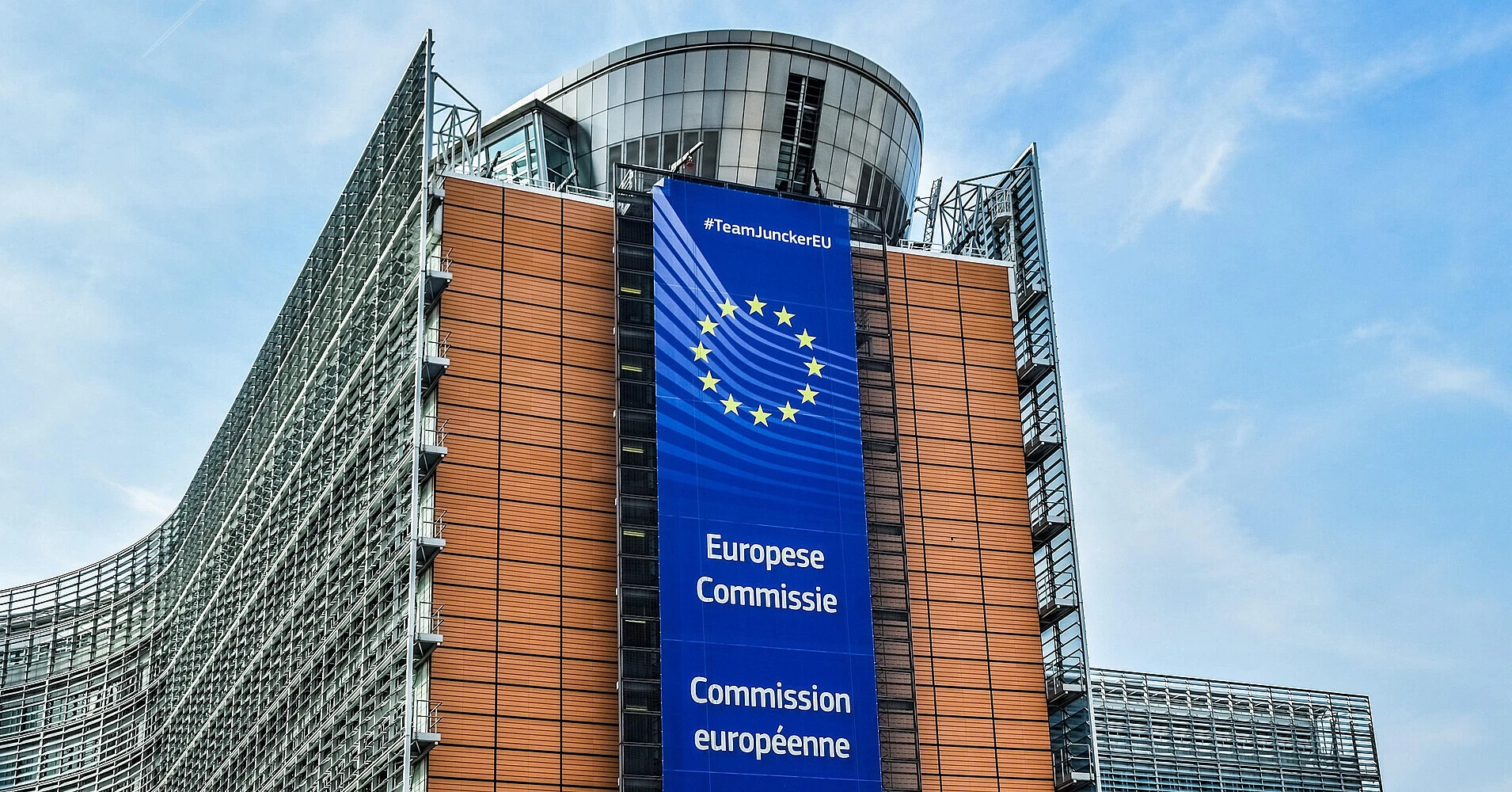
The European Commission has fined the world's three largest fragrance manufacturers – Switzerland's Firmenich and Givaudan, and the US-based International Flavors & Fragrances (IFF) – a total of €471.9 million for their participation in an international cartel.
This was reported by Financial Times on November 25.
The European Commission's investigation found that the companies exchanged confidential commercial information, including about prices and terms of cooperation with the British corporation Unilever – the world's largest buyer of fragrance ingredients for consumer goods.
The companies coordinated pricing negotiation strategies, discussed increasing product prices, and the possibility of introducing additional surcharges due to rising energy costs. Additionally, the cartel members agreed not to poach each other's employees responsible for working with Unilever.
Givaudan and IFF also exchanged confidential information about their activities in the market for fragrance ingredients and other consumer goods, including plans to raise prices.
The violations covered the entire territory of the European Economic Area and lasted from March 2019 to March 2023, when the European Commission conducted unannounced inspections at the companies' offices.
As a result of the investigation, the European Commission imposed the following fines:
- Givaudan – €252.4 million;
- Firmenich – €137.7 million;
- International Flavors & Fragrances – €81.9 million.
All three companies admitted their participation in the cartel and cooperated with the investigation, which led to reduced fines.
The European Commission noted that such violations can lead to higher prices and reduced choice for consumers. Fragrance ingredients are used in the production of thousands of everyday consumer goods, including shampoos, laundry detergents, cleaning products, cosmetics, and perfumes.
The UK also fined cartel participants
A parallel investigation was conducted by the UK Competition and Markets Authority (CMA), which on November 25 announced fines totaling about £85 million on the same companies.
The British regulator found that company representatives exchanged commercial information via WhatsApp, phone calls, and in-person meetings.
dsm-firmenich confirmed reaching settlements with the European and British regulators. The manufacturer emphasized that its involvement was limited to exchanging information regarding a single client, and that the violations occurred before the merger of DSM and Firmenich.
The company estimates the total financial consequences of the antitrust proceedings at approximately €300 million.