
Documents are being checked again inside Schengen: what has changed for travel between Italy and Spain
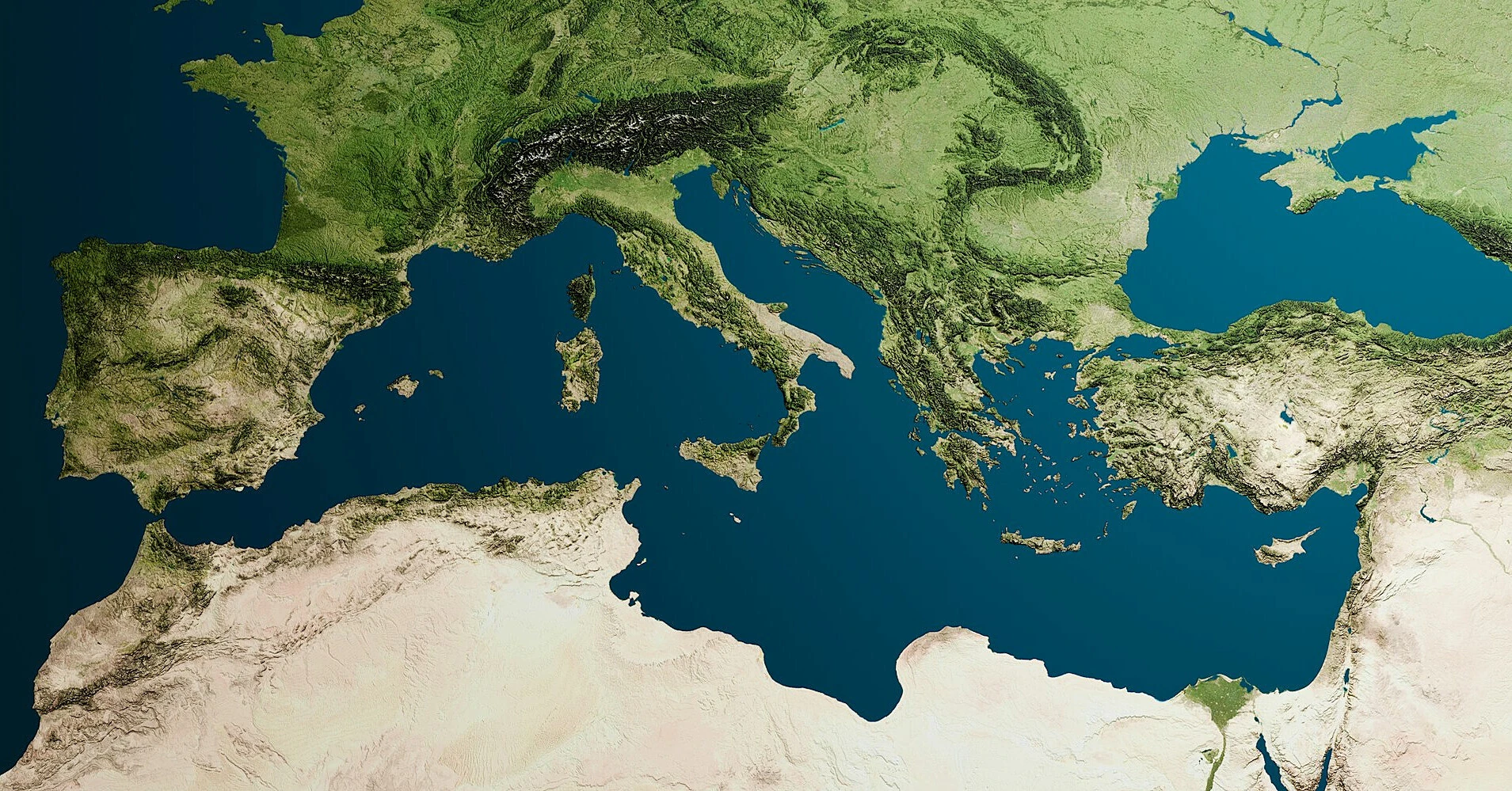
Passengers traveling between Italy and Spain again need to be prepared for document checks at airports and ports. Both countries have extended temporary border controls within Schengen: Spain until October 22, Italy until October 16 - another week.
This does not mean closing borders or introducing new visas. Planes and ferries continue to operate, but before traveling you should have a valid document and allow extra time for possible checks.
Where exactly passengers are being checked again
Italy and Spain do not share a land border, so the restrictions primarily affect air and sea connections between the two countries.
Spain reinstated temporary controls on internal air and sea borders with Italy until October 22. Italy announced on October 16 that similar measures would be extended for another week.
In practice, this means that a passenger on a flight from Barcelona to Rome or from Madrid to Milan may be asked to undergo an additional document check, even though the trip is between two Schengen countries.
The intensity of checks may vary: the temporary reintroduction of border control does not mean that every passenger will be checked with the same duration.
Are additional documents or visa required
No. Italy and Spain remain members of the Schengen area, and entry rules for travelers have not changed.
This is specifically about temporary border control. EU citizens only need the documents provided for travel, and travelers from other countries must have valid documents that previously gave them the right to stay and move within the Schengen area.
The main practical change is the possibility of additional checks and therefore the need to allow more time before departure or ferry departure.
Why the controls appeared between two Schengen countries
Italy first introduced these measures at the end of July following the migration crisis in the Spanish enclave of Ceuta in North Africa.
On July 30, more than 72,000 people attempted to cross the border of Ceuta from Morocco. Most subsequently returned to Morocco, but the situation raised concerns about possible further movement of migrants within the European Union.
Rome explained the reintroduction of controls by risks to internal security and possible secondary movements of people through Schengen countries.
Spain criticized Italy's decision and pointed out that illegally crossing the border in Ceuta does not in itself give a person the right to move freely within Schengen.
Why the checks have become mutual
After several extensions of Italian controls, Spain introduced its own checks on passengers arriving from Italy.
As a result, controls are now effectively in place in both directions: both when traveling from Spain to Italy and from Italy to Spain.
Schengen rules allow the temporary reintroduction of controls at internal borders in the event of a serious threat to public order or internal security. However, such measures must remain temporary and be used as an exception.
When the normal regime may be restored
Authorities of the two countries are now trying to find a way to lift the restrictions.
According to Reuters, the interior ministers of Italy and Spain are expected to discuss alternative cooperation measures that would reduce risks without maintaining border controls.
The talks followed a meeting between Italian Prime Minister Giorgia Meloni and Spanish Prime Minister Pedro Sanchez on the sidelines of the European Council summit.
For now, those planning a flight or ferry trip between the two countries should reasonably assume that checks will remain in place. Before departure, check the carrier's recommendations, carry the necessary documents, and arrive at the airport or port with extra time.
Source: Reuters, European Commission.