Lula remains in power in Brazil: investors assess economic risks
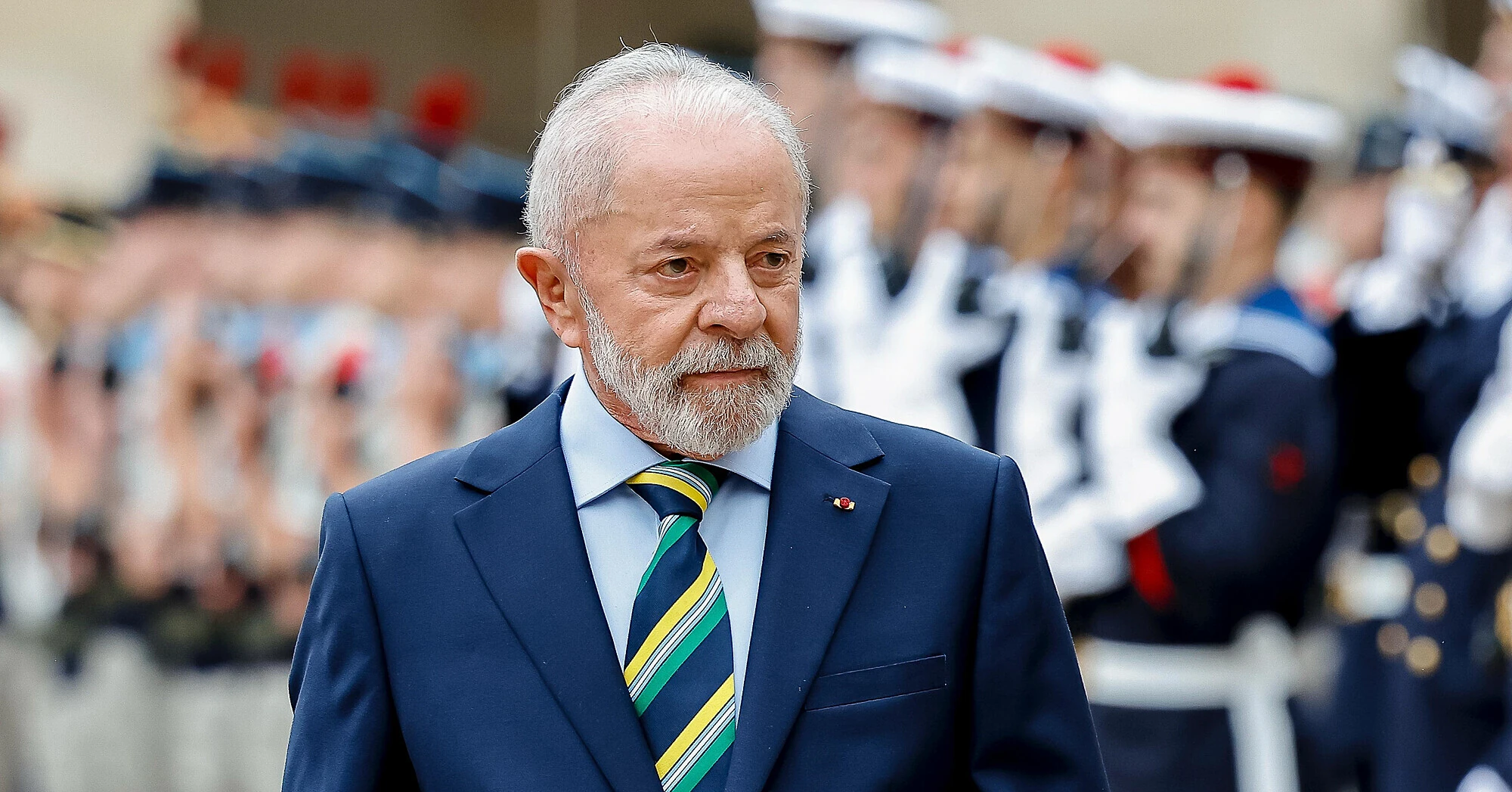
Brazil's current president, Luiz Inácio Lula da Silva, won the second round of the presidential election on October 25, surpassing Senator Flavio Bolsonaro. He became the first politician in the country's history to be elected president for a fourth term. However, his opponent refused to recognize the election results and stated his intention to seek their annulment.
According to official data from Brazil's Superior Electoral Court (TSE), after the vote count was completed, Lula received 51.79% support - over 64.2 million votes. Flavio Bolsonaro received 48.21% of the votes, or almost 59.8 million people. The difference between the candidates was approximately 4.4 million votes.
As reported by the Brazilian newspaper Folha de S.Paulo, Lula's victory was also historic because he was able to reverse the results of the first round, which took place on October 4. Then Bolsonaro received 47.03% of the votes, while the current president received 45.16%.
In the second round, Lula won in 13 states, including changing the balance of power in Minas Gerais - one of the regions key to the election outcome. Bolsonaro gained an advantage in the other 13 states and the federal district.
Approximately 128.2 million citizens participated in the voting. The share of voters who did not show up at polling stations was about 19.2%, which is less than in the first round.
Bolsonaro wants to have the election annulled
Flavio Bolsonaro, son of former president Jair Bolsonaro, after the results were announced, stated that he does not recognize Lula's victory and will go to court to demand that the vote be annulled.
As reported by Agência Brasil, the Liberal Party candidate explained his position by the decision of Federal Supreme Court Justice Cristiano Zanin to extend voting by two hours - until 7:00 PM.
The decision was made due to reports of problems with voters' access to transportation in certain regions. At the same time, according to Agência Brasil, requests for extending voting were submitted by the headquarters of both candidates, including Bolsonaro himself.
Head of the Superior Electoral Court, Kassio Nunes Marques, stated that extending the operation of polling stations caused organizational difficulties, but did not affect the vote counting procedure.
Bolsonaro has only announced intentions to challenge the results. There is no court decision on reviewing them.
Financial markets await reaction to Lula's re-election
The election results may cause significant fluctuations in the Brazilian financial market. According to business publication InfoMoney, analysts expect a decline in the Ibovespa stock index, a weakening of the Brazilian real, and an increase in market interest rates.
Investors fear further increases in government spending and deterioration of budget indicators. After the first round, financial markets rose on expectations of a possible change in economic policy if Bolsonaro won.
Now market participants will monitor the first statements of Lula's economic team, primarily regarding control of the budget deficit and public debt. For now, these are analyst forecasts, not the actual reaction of Brazilian exchanges to the second-round results.
In his first speech after the victory, Lula promised to change approaches to governing the country and increase investment in the digital economy. Among his plans are developing data centers using renewable energy, creating proprietary artificial intelligence technologies, and modernizing healthcare and education.
Meanwhile, carrying out economic reforms will depend on agreements with Congress, where the new president does not have a guaranteed parliamentary majority.
Lula's inauguration for a new four-year term is scheduled for January 5, 2027. He previously led Brazil from 2003 to 2010, and in 2023 returned to the presidency after defeating Jair Bolsonaro.
Based on materials from: Folha de S.Paulo, Agência Brasil, InfoMoney