Goldman Sachs significantly raises oil price forecasts
American investment bank Goldman Sachs has significantly raised its forecasts for world oil prices for the end of 2026 and next year. Analysts expect energy prices to remain high due to risks of supply disruptions from the Middle East and a possible new escalation of the conflict between the US and Iran.
This was reported by Bloomberg citing Goldman Sachs' analytical note dated November 1. Detailed calculations by the bank are also provided by financial publication GMT Eight.
Goldman Sachs raised its forecast for Brent oil price for December 2026 from $90 to $105 per barrel. The estimate for American West Texas Intermediate (WTI) for the same period was revised from $81 to $94 per barrel.
The bank also changed forecasts for average annual oil prices for 2027. Analysts now expect Brent to average $88 per barrel instead of the previously forecast $80. For WTI, the estimate was raised from $73 to $78 per barrel.
The main reason for the revision was increased risks of reduction in global supplies. Goldman Sachs analysts believe that the market is increasingly pricing in the possibility of a new escalation in the Middle East after the US midterm elections scheduled for November 3.
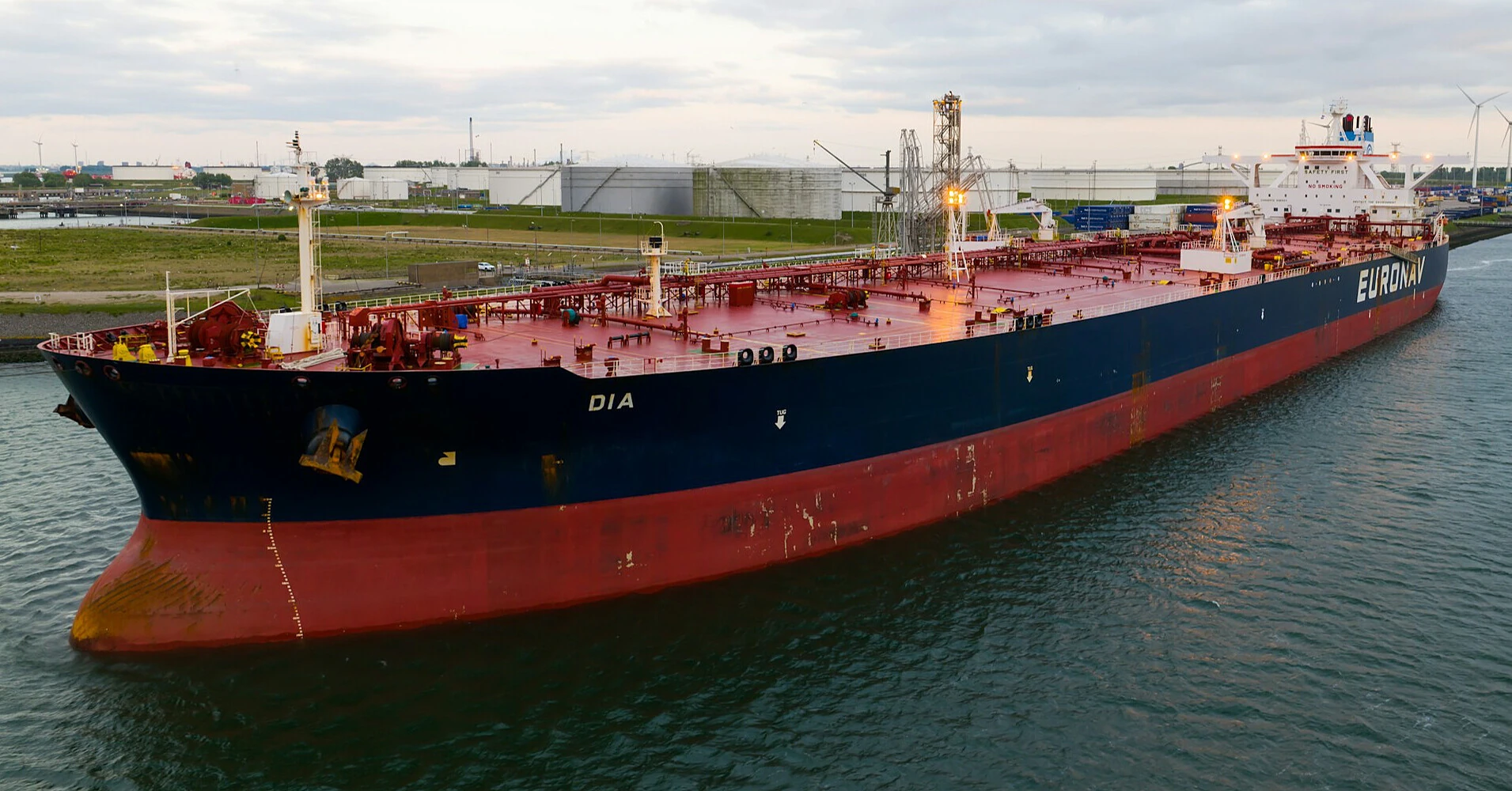
Additional factors remain threats of attacks on oil tankers, damage to energy infrastructure, and uncertainty about prospects for diplomatic resolution of the conflict with Iran.
Goldman Sachs also takes into account risks related to Russia's war against Ukraine. In its base scenario for 2027, the bank has built in a reserve for possible disruptions to global oil supplies of 1 million barrels per day. This means that the projected global production has been reduced by that amount to account for risks of unforeseen disruptions.
In an adverse scenario, Brent could rise to $140 per barrel. Goldman Sachs considers such a scenario in case average oil production in the Gulf states in 2027 remains 3.5 million barrels per day below the average level of 2025.
Under these conditions, the average annual price of Brent could be approximately $130 per barrel. At the same time, this is an alternative scenario of prolonged supply disruptions, not the bank's main forecast.
Goldman Sachs also permits the opposite development. If production in the Gulf recovers faster and the risk of supply disruptions decreases, in 2027 Brent could fall to around $60 per barrel.
The oil market has already reacted to the increase in geopolitical tensions. According to Bloomberg, Brent rose 14% in October to its highest level in six months, even though oil supply from the Middle East approached pre-war volumes.
Goldman Sachs is not the only major bank to revise forecasts. Earlier, Morgan Stanley raised its estimate for physical Brent deliveries for the fourth quarter to $105 per barrel, while ANZ Group set a similar target for oil futures for the end of the year.
Further price dynamics will depend primarily on the situation in the Middle East, security of maritime transport, and actual production volumes. At the same time, high oil prices pose additional risks to fuel costs and transport costs in countries dependent on energy imports, including Ukraine.
Based on materials from: Bloomberg, GMT Eight, Goldman Sachs