US attacked a commercial vessel in the Gulf of Oman, Iran threatened retaliation
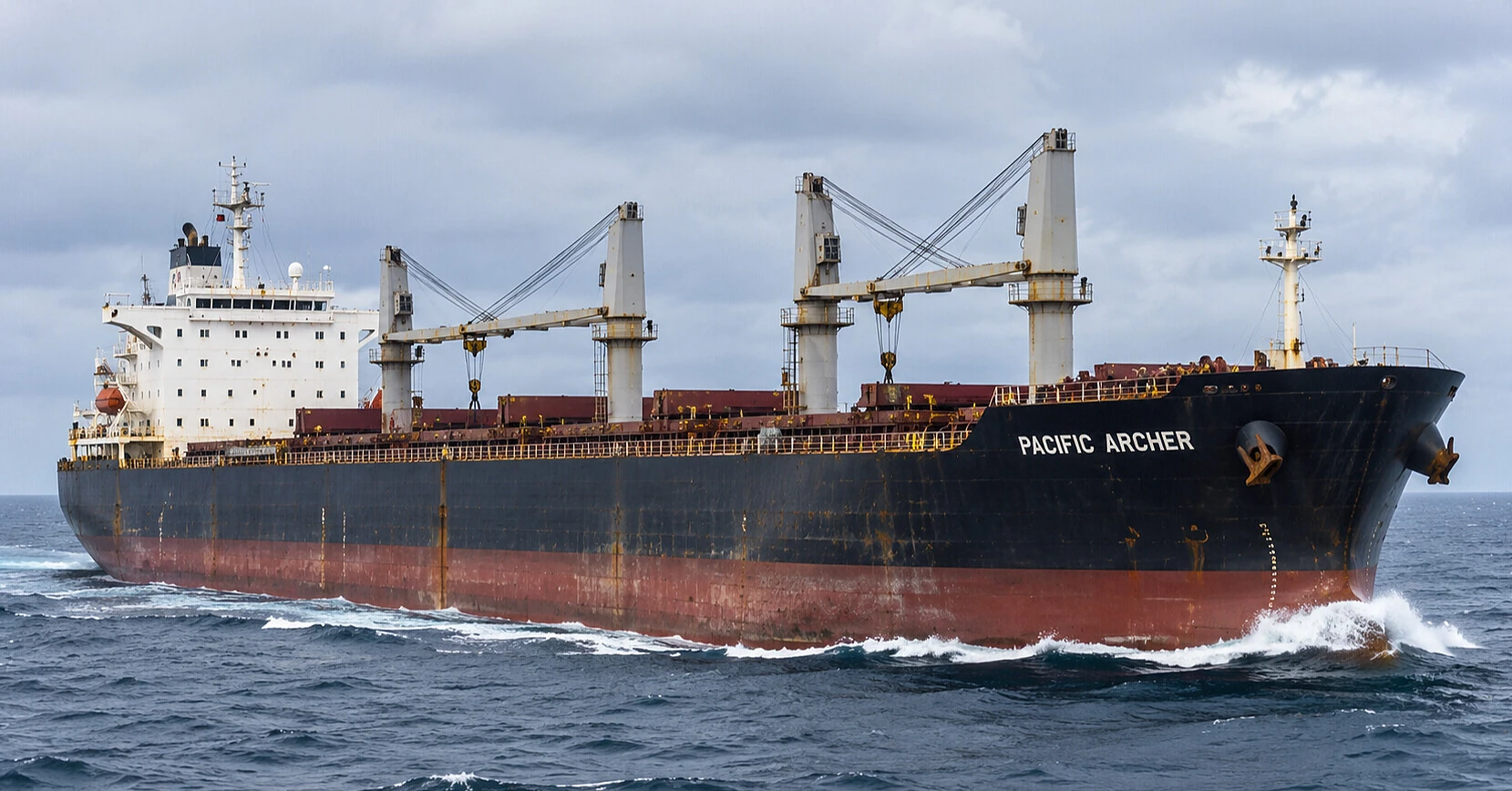
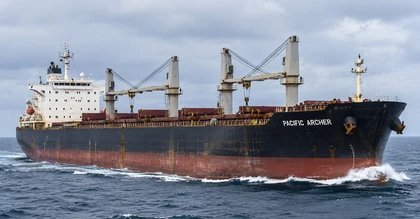
The U.S. military disabled the cargo ship Pacific Archer in the Gulf of Oman, which Washington claimed was attempting to breach the naval blockade of Iranian ports. Meanwhile, Tehran has said it intends to keep the Strait of Hormuz closed and force an end to the American blockade.
This is reported by U.S. Central Command (CENTCOM) and Reuters.
The incident occurred on Thursday, November 26. According to the U.S. military command, the Palau-flagged bulk carrier Pacific Archer left the Iranian port of Bandar Abbas and kept moving despite repeated warnings from American forces.
After an American airstrike, the vessel became disabled. CENTCOM says no civilian crew members were injured.
According to the Associated Press, the cargo ship was bound for Singapore.
The U.S. command emphasized that it will continue to enforce the naval blockade. Since it was reinstated, the U.S. military has diverted 158 commercial vessels that complied with their warnings and disabled six vessels that refused to obey.
AP counts the Pacific Archer as at least the 15th vessel disabled by U.S. forces since the blockade began in spring 2026. The previous such incident occurred on November 7.
Iran intends to keep the Strait of Hormuz closed
Advisor to Iran's Supreme Leader, Mojtaba Khamenei Mohammad Mokhber, said on Friday that Tehran will resist U.S. restrictions.
The Strait of Hormuz will not be opened, and we will not allow the blockade to continue, – Mokhber said.
He did not specify what measures the Iranian authorities intend to take to end the blockade.
Iran's Islamic Revolutionary Guard Corps (IRGC) also reported two new incidents involving oil tankers that allegedly tried to pass through the Strait of Hormuz without Tehran's permission. Iran claims one vessel was damaged and another was forced to turn away.
There is no independent confirmation of these reports.
Oil shipments decline again
The standoff between the U.S. and Iran continues to take a toll on global energy supplies.
According to Rystad Energy, oil shipments from the region fell about 20% in the first two weeks of November compared to October, to 13 million barrels per day.
In October, exports approached pre-war levels of 15–16 million barrels per day. But new security threats to shipping and reduced supplies along alternative routes have worsened the situation again.
According to the UN Conference on Trade and Development (UNCTAD), disruptions to key maritime trade routes are leading to longer voyage times, higher fuel costs and port congestion.
Using alternative ports and land transport routes can help sustain international trade volumes, but at higher logistical costs.
It bears reminding that the U.S. imposed a naval blockade of Iranian ports in April 2026. Over the summer, after negotiations with Tehran, the restrictions were temporarily lifted, but Washington reinstated the blockade in July. Diplomatic efforts to end the conflict have not yet reached a final agreement.
Based on: CENTCOM, Reuters, Associated Press.