In France, students will continue mass protests despite government concessions
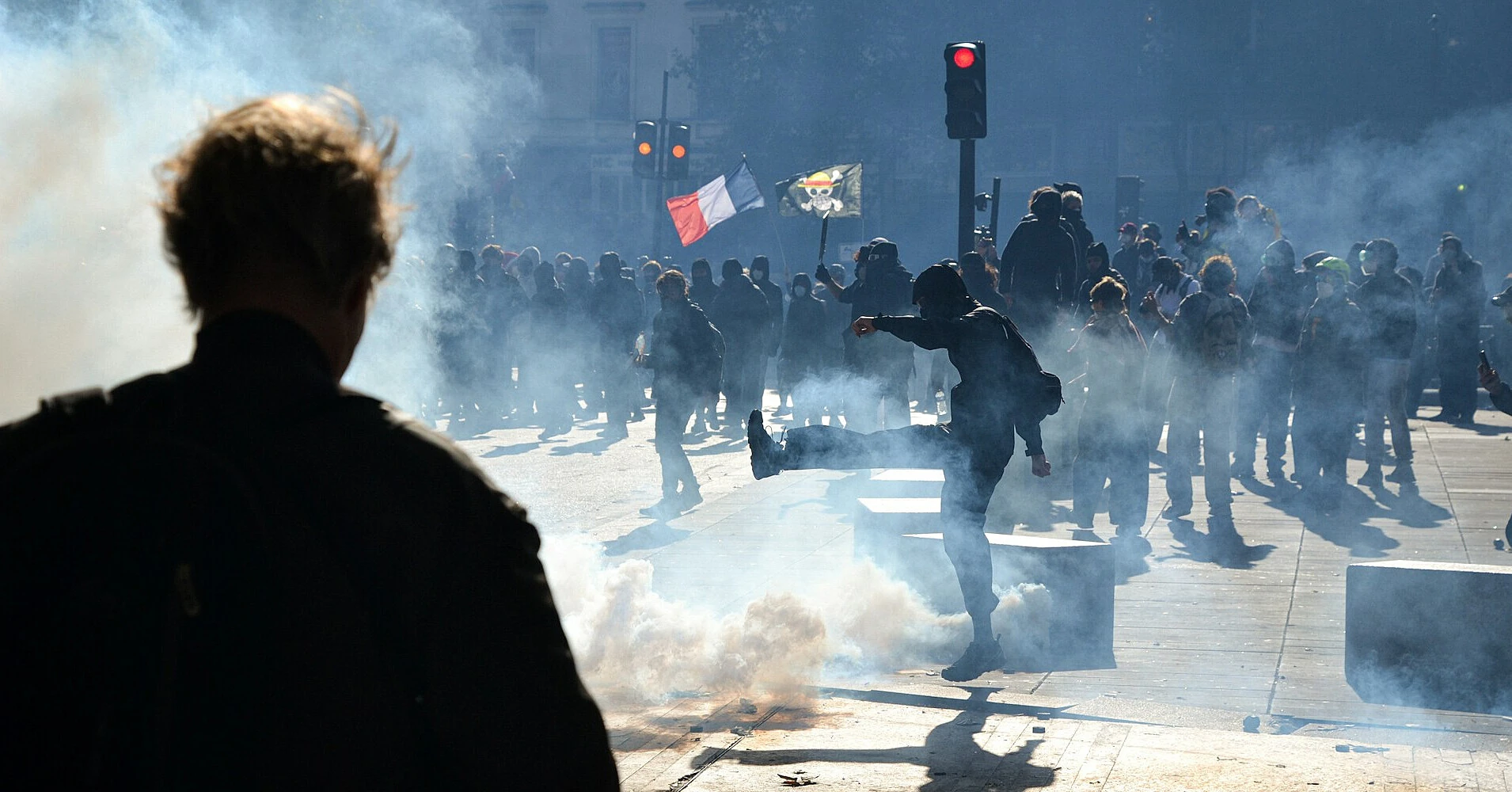
In France, student and pupil unions called for continuing mass protests despite the government's announced concessions in education. Youth organizations consider the proposed measures insufficient and plan to join new nationwide actions on October 31 and November 5.
This is reported by Le Monde following negotiations between representatives of youth organizations and French Prime Minister Sébastien Lecornu, which took place on October 26.
Four organizations called for continued mobilization: FAGE, Union étudiante, UNEF, and Union syndicale lycéenne. Their representatives acknowledged that the protests forced the authorities to make some concessions, but stressed that the main demands of the youth have not yet been met.
Union étudiante spokesperson Sabrine Harbash stated that the government's proposals are only a small part of the necessary changes. According to her, students and schoolchildren will continue to protest, particularly during the nationwide strike by workers' unions on November 5.
Union étudiante's statement also confirmed participation in demonstrations on October 31. The organization demands an increase in state investments in education and improvement of students' material situation.
What concessions did the French government offer
On October 26, Minister of National Education Édouard Geffray and Minister of Higher Education Philippe Baptiste presented a package of measures aimed at reducing tensions in the education system.
One of the main changes will be the gradual abandonment of Parcoursup – the platform for allocating places in higher education institutions, which is criticized by protest participants. The system is planned to be reformed in 2027, and replaced by a new admission mechanism before the start of the 2028 academic year.
In addition, the government promised to create 15,000 additional places in the higher education system, including in vocational and technological training institutions, as well as in medical specialties.
The authorities also announced the cancellation of the planned reduction of 836 positions in state secondary education and the creation of an additional 500 teaching positions for high schools.
Starting from 2027, the number of students in second-year classes of high schools is planned to be limited to 28. Initially, the new rules will apply to half of the institutions with the most unfavorable socio-economic conditions, and from 2028 they are to be extended to the rest of the high schools.
A separate block of government promises concerns financing for education. It provides for €4 billion in preferential loans for the renovation of school and college buildings, as well as a multi-year investment program of €1 billion for the modernization of universities.
Student scholarships are planned to be indexed for inflation starting from 2027. According to government estimates, this will require approximately €40 million in additional spending.
Despite the announced measures, representatives of youth organizations stated that the amount of funding remains insufficient. In particular, Union étudiante insists on a much larger education support program and the creation of a much greater number of places in universities.
Mass protests by French schoolchildren and students have been ongoing since September. Participants demand increased funding for public education, improved learning conditions, more accessible university admission, and stronger social support for young people.
So far, the government hopes that the proposed reforms will help reduce social tensions. At the same time, unions declare their intention to continue actions until they achieve more concrete results.
Sources: Le Monde, Union étudiante, French Ministry of National Education