Nvidia considers former German nuclear power plants for data centers
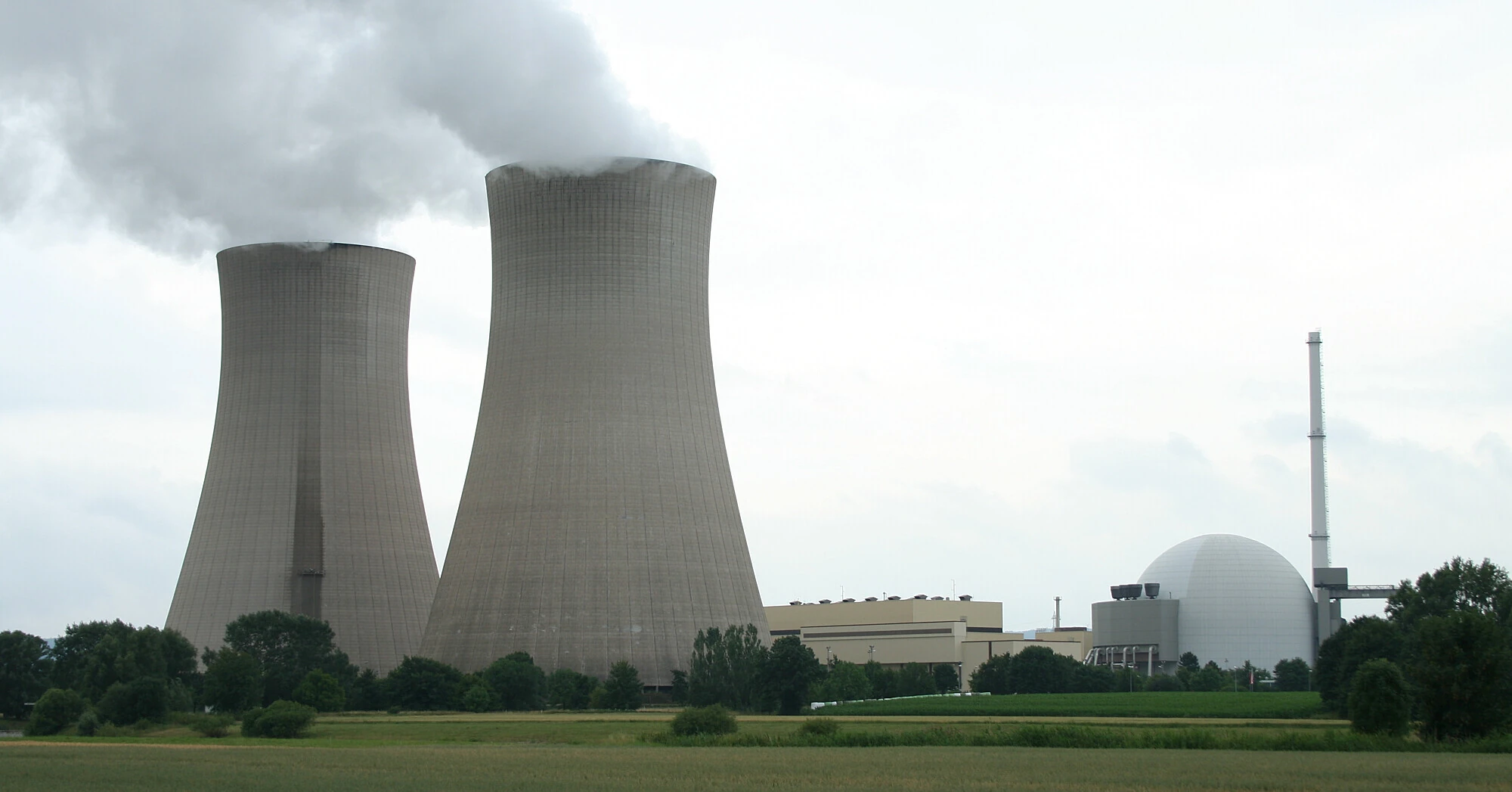
American chipmaker Nvidia and German energy company PreussenElektra are studying the possibility of building data centers for artificial intelligence on the sites of decommissioned nuclear power plants. The companies hope to use the existing energy infrastructure to simplify the creation of new computing capacity.
PreussenElektra announced this on October 22. Details are also reported by German public broadcaster NDR.
The companies plan to assess the suitability of former nuclear sites for hosting large data centers. First, they will check the possibilities of existing grid connections, the availability of land plots, and the compliance of infrastructure with the technical requirements of AI systems.
Former nuclear power plants have a number of advantages over ordinary industrial sites. They are already equipped with powerful transmission lines and other engineering utilities necessary for the operation of energy-intensive equipment.
This is especially important for modern data centers that use thousands of graphics processors for training and running artificial intelligence models. Building new energy connections can take longer than constructing the data center itself.
PreussenElektra, which is part of the E.ON energy group, is responsible for dismantling eight nuclear power plants in Germany. Among the potential sites being considered are the former Unterweser, Grohnde, and Stade nuclear power plants in the state of Lower Saxony.
Nvidia representatives believe that such sites can play an important role in the development of the next generation of computing infrastructure. Large AI complexes require reliable power supply, sufficient space, and developed industrial infrastructure.
At the same time, PreussenElektra emphasizes that the project is only at the preliminary study stage. No final decisions on site selection, investment volumes, or start of construction have been made yet.
An additional limitation remains the lengthy dismantling of nuclear facilities. According to German tech publication Golem, parts of the sites are still under special supervision under nuclear legislation.
One promising site could be Stade, where completion of the main dismantling work is scheduled for the end of 2026. The release of the site from nuclear supervision is expected in autumn 2027, after which the area can be used for other industrial purposes.
The initiative does not involve restarting nuclear reactors. It is about reusing land plots, grid connections, and related infrastructure, not about generating electricity at former nuclear plants.
Germany finally stopped producing nuclear electricity on April 15, 2023, when the last three reactors were shut down. Since then, energy companies have been gradually dismantling the plants and looking for new ways to use the industrial sites.
Similar projects are also being considered by owners of former coal-fired power plants. In particular, energy companies RWE and Uniper are exploring the possibility of selling individual sites for data center construction.
For energy companies, reusing such sites could create a new source of revenue, and for the technology sector, reduce costs and preparation time for AI infrastructure.
Sources: PreussenElektra, NDR, Golem