Media: US sent a message to Iran's leadership amid threat of new strikes
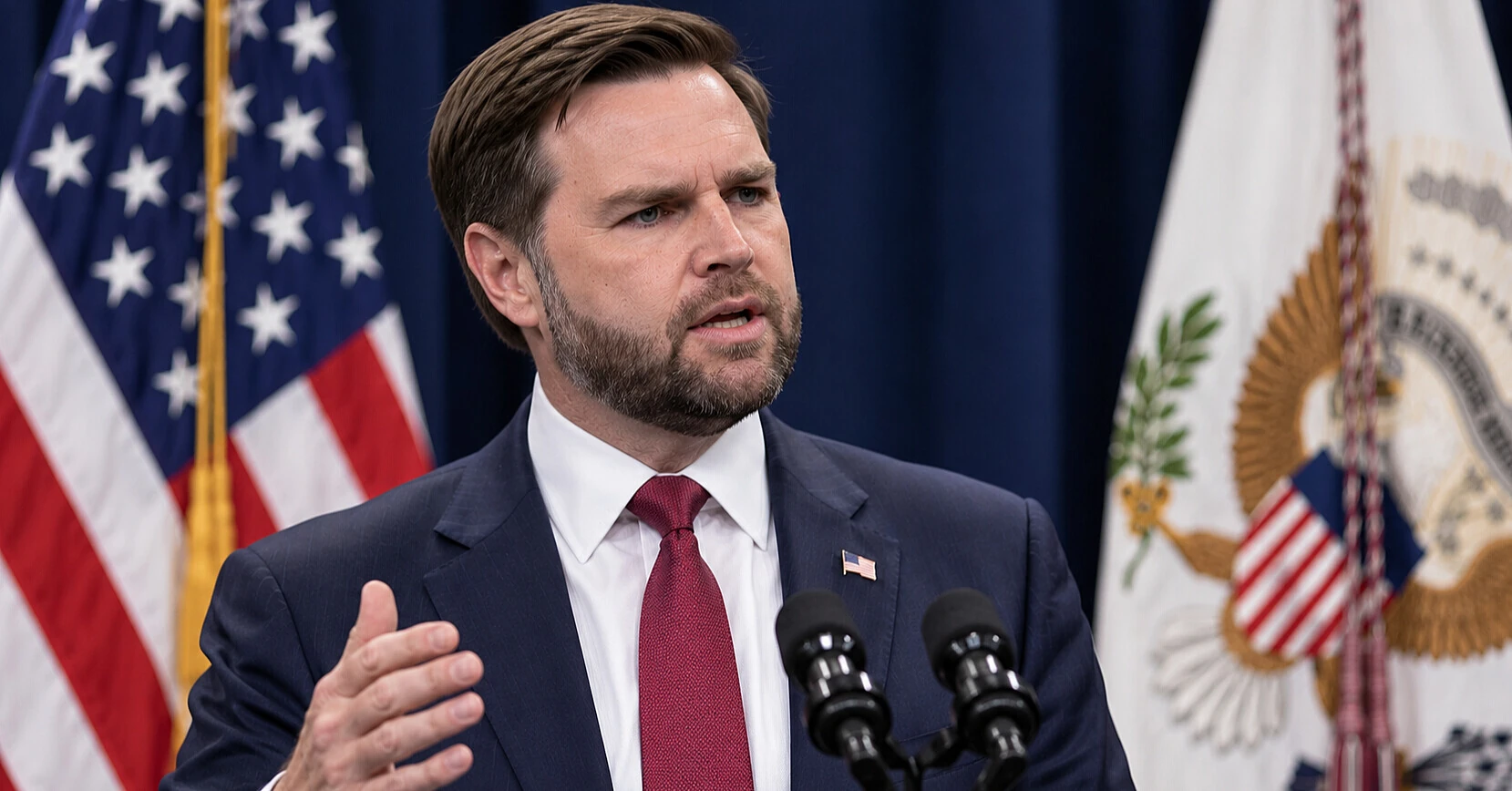
US Vice President J.D. Vance sent a letter to the secretary of Iran's Supreme National Security Council, Mohsen Rezaei, seeking to resume negotiations on ending the conflict between Washington and Tehran. The initiative came amid reports that the US is preparing for possible new strikes on Iran.
The Wall Street Journal reported this on October 28, citing American officials and sources familiar with diplomatic contacts.
According to the publication, Vance sent the letter on behalf of US President Donald Trump. The message was addressed to one of the most influential representatives of Iran's security leadership, who previously commanded the Islamic Revolutionary Guard Corps (IRGC) for many years.
The US administration hopes that engaging directly with members of the conservative wing of Iran's leadership could help break the diplomatic deadlock. Washington believes these officials hold significant sway over decisions on war and security.
So far, this is an attempt to restore the negotiating process, not a negotiated peace agreement. There is no information yet on Tehran's positive response to Vance's overture or on scheduling a new round of talks.
The main obstacle remains disagreement over Iran's nuclear program. The US demands a substantial reduction in Tehran's uranium enrichment capabilities. Iran, for its part, insists on lifting economic sanctions, ending the American naval blockade, and security guarantees.
Earlier, Vance told Reuters that Washington would not settle for Iran's promises to reduce nuclear activity in the future. According to him, achieving an agreement requires concrete steps to reduce uranium enrichment capabilities.
At the same time, Tehran has repeatedly stressed that it regards the right to a peaceful nuclear program as a fundamental condition for any agreements.
The new diplomatic initiative comes amid the lingering threat of military escalation. On October 28, WSJ also reported that US authorities had warned several Gulf states of the possibility of renewed intense strikes on Iran after the US midterm elections on November 3.
According to the newspaper's sources, Trump has not yet made a final decision on a new military operation, leaving open the possibility of a diplomatic resolution.
Meanwhile, Gulf states are trying to agree on a broader de-escalation plan. As reported by The Guardian, conditions are being discussed for resuming shipping through the Strait of Hormuz, lifting sanctions, and restoring international oversight of Iran's nuclear facilities.
The Strait of Hormuz remains one of the key issues in talks, as shipping restrictions in the region affect global oil and gas supplies. A possible resumption of hostilities creates additional risks for energy markets.