Mass protests in three European countries hit trade, logistics and tourism - overview of consequences
Mass protests in France, Italy and Belgium have already caused economic consequences for businesses, retail chains and transport companies. In France, business assesses damage from looting in the hundreds of millions of euros, in Italy transport blockades disrupted food supplies, and in Brussels riots affected public transport and tourist facilities.
Le Monde, la Repubblica and Belgian TV channel BX1 report on the consequences of the events of 18-19 October.
France: retail chains suffered significant losses
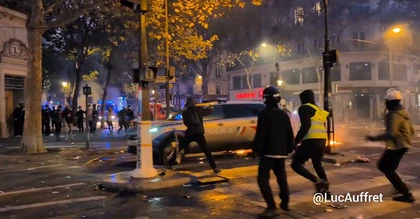
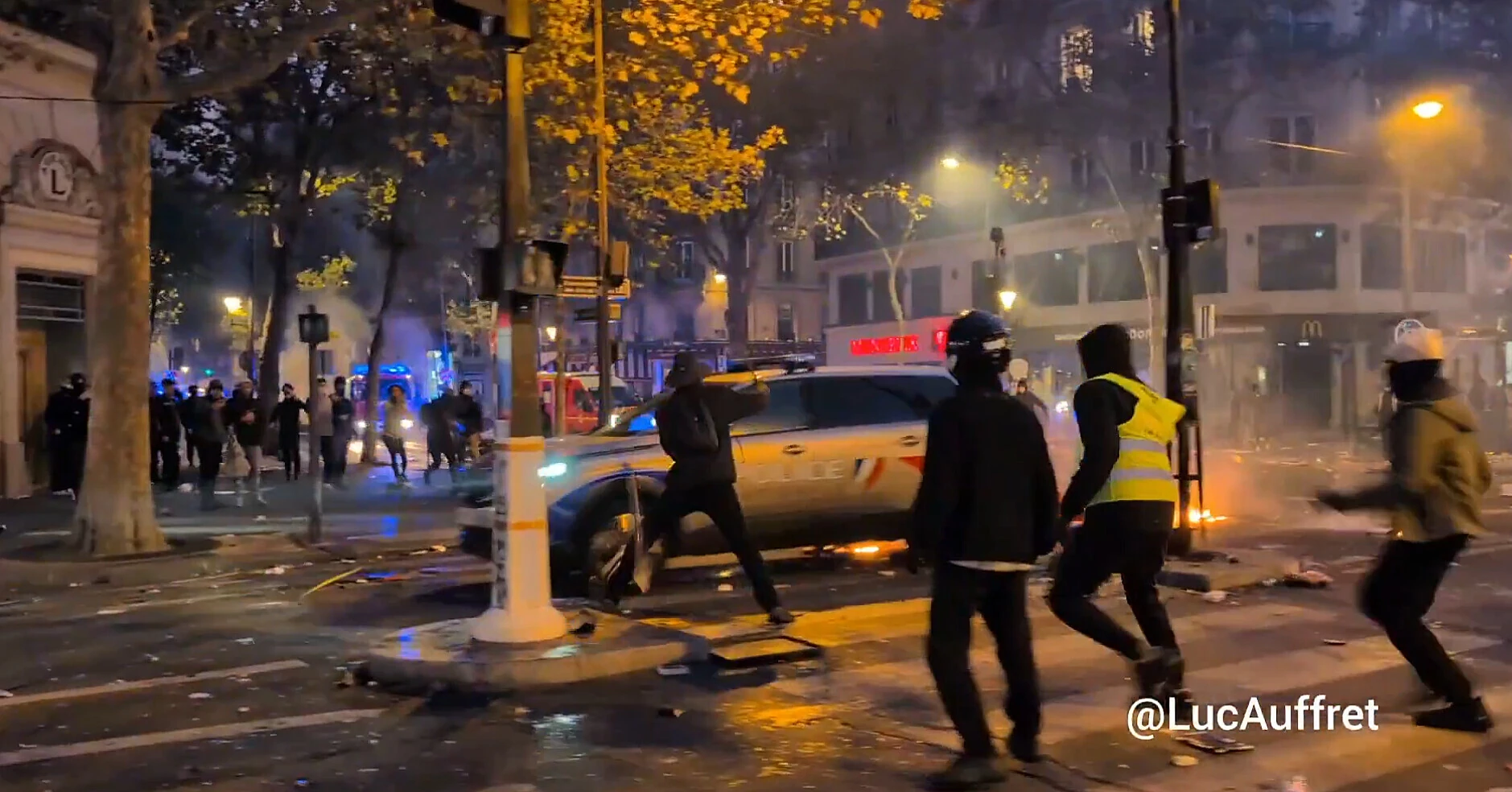
In France, after mass riots on 17-18 October, assessment of damage to trade enterprises began. According to preliminary data from the Federation of Commerce and Distribution (FCD), over 1500 stores were damaged or looted.
The total losses of the trade sector are preliminarily estimated at hundreds of millions of euros. The final calculation is still ongoing, as enterprises lost not only goods, but also equipment, warehouse stocks and the ability to continue operating.
One of the affected retail chains was Carrefour. According to the company's CEO Alexandre Bompard, 50 stores were damaged, of which 19 were looted.
The mere repair of the chain's premises will cost more than 10 million euros. Some damaged stores will not be able to resume work quickly, and employees of some franchised outlets will have to be temporarily transferred to part-time work.
Other large companies also suffered significant losses. The Galeries Lafayette chain reported serious consequences for its retail facilities in Bordeaux, Nantes, Rennes, Perpignan, Tours and Chambéry. Electronics, clothing, sports goods stores and bank branches were also damaged.
City transport operators were also affected. The company Dott reported damage and destruction of more than 400 rental electric bikes in Paris, Bordeaux and Lyon. The operator estimated preliminary losses at about 400 thousand euros.
According to representatives of small businesses, the financial consequences will not be limited to repair costs and the value of stolen goods. Entrepreneurs also lose revenue due to forced closure of stores, while rent, salaries and other fixed costs remain.
Insurance is an additional problem. Not all contracts cover losses from temporary cessation of activity, so even with compensation for material damage, enterprises may face a lack of working capital.
The French government has begun consultations on assistance to affected businesses.
For 19 October, the French Ministry of Trade scheduled a meeting with representatives of retail chains, craft enterprises, restaurant business, banks and insurance companies.
Business associations demand acceleration of insurance payments, creation of emergency support mechanisms and the possibility of temporarily deferring payment of certain taxes and social contributions.
President Emmanuel Macron promised assistance to affected entrepreneurs and announced the convening of a government crisis group to find the fastest ways of support.
However, the final parameters of financial assistance were not yet determined at the time of publication of these reports.
Italy: carrier blockades disrupted food supplies
In Italy, the most tangible economic consequences of the protests were disruptions in the work of transport and logistics infrastructure. Due to the high cost of fuel, truckers and representatives of the agricultural sector continue to block important road routes.
On 19 October, transport blockades disrupted traffic on highways A1 and A30 near Naples and Caserta. In some sections, multi-kilometer traffic jams formed, and drivers had to use detour routes.
In the logistics centers of Marcianise and Carinaro, disruptions in the dispatch of goods arose. This affected primarily the delivery of goods that require regular replenishment of stocks.
Representatives of retail chains reported delays in the supply of fruits and vegetables. The head of the supermarket chain Superò, Antonio Cristiano, warned that if the blockade of transport continues, problems may spread to other product groups.
According to him, there are currently stocks of goods in stores, but without regular delivery the situation will gradually worsen.
However, the shortage is not yet nationwide: the situation varies significantly depending on the region and availability of alternative supply routes.
Disruptions were also recorded in Molise, where in some supermarkets, particularly in Termoli, problems arose with replenishing stocks of fruits, vegetables and bakery products.
In Calabria and Basilicata, carriers organized additional actions near transport hubs and industrial zones. In some areas traffic slowed down, but there was no complete road closure.
Transport companies explain the protests by significant rise in diesel fuel prices. According to industry representatives, refueling a truck carrying food can cost from 700 to 1200 euros depending on tank volume.
The rise in such costs creates additional pressure on carriers, producers and retail chains. Some companies try not to pass on the rise in logistics costs to customers, but warn about the difficulty of maintaining prices in case of prolonged disruptions.
Italian Transport Minister Matteo Salvini scheduled negotiations with truckers' representatives for 20 October. The main topic is expected to be fuel costs and the demands of the transport industry.
There are no agreements on stopping the protests yet.
Belgium: transport disruptions and losses for tourist establishments
In Brussels, the riots accompanying Saturday's demonstrations on 17 October affected the work of city transport and cultural institutions.
During the day, several hundred demonstrators with various demands marched through the central areas of the city. Later, part of the actions escalated into clashes, which were accompanied by property damage and confrontation with police.
During the riots, metro stations were temporarily closed and traffic on some tram and bus routes was interrupted. This complicated movement around the city and affected the work of cultural institutions.
According to Belgian TV channel BX1, the annual museum event Museum Night Fever on 17 October attracted about 14.4 thousand visitors compared to 16 thousand last year.
Organizers reported that attendance was affected by the riots, although an additional factor were capacity restrictions of some venues.
The tourist facility Belgian Beer World Experience was forced to stop work for about three hours due to the situation on adjacent streets.
Despite the disruptions, most participating museums were able to continue work, and organizers noted that the number of visitors remained close to the maximum possible capacity.
Economic consequences go beyond damaged property
The events of recent days demonstrate various consequences of social protests for the European economy.
In France, the main problems were large-scale trade losses, the need for insurance compensation and the risk of prolonged closure of some stores. In Italy, transport blockades directly affected the delivery of goods, supermarket operations and transport logistics. In Belgium, public transport, urban infrastructure and part of tourist services felt the consequences.
Further developments will depend not only on restoring public order, but also on the results of negotiations with entrepreneurs and representatives of the transport industry.
The next concrete steps should be determining possible support measures for French business and Italy's negotiations with truckers on 20 October. Currently, these issues are at the stage of discussion, not final decisions.
Note that the euro exchange rate against the US dollar fell amid mass protests and clashes with police in several European countries.
Based on materials: Le Monde, la Repubblica, BX1.