Houthis claim attacks on key Saudi oil pipeline
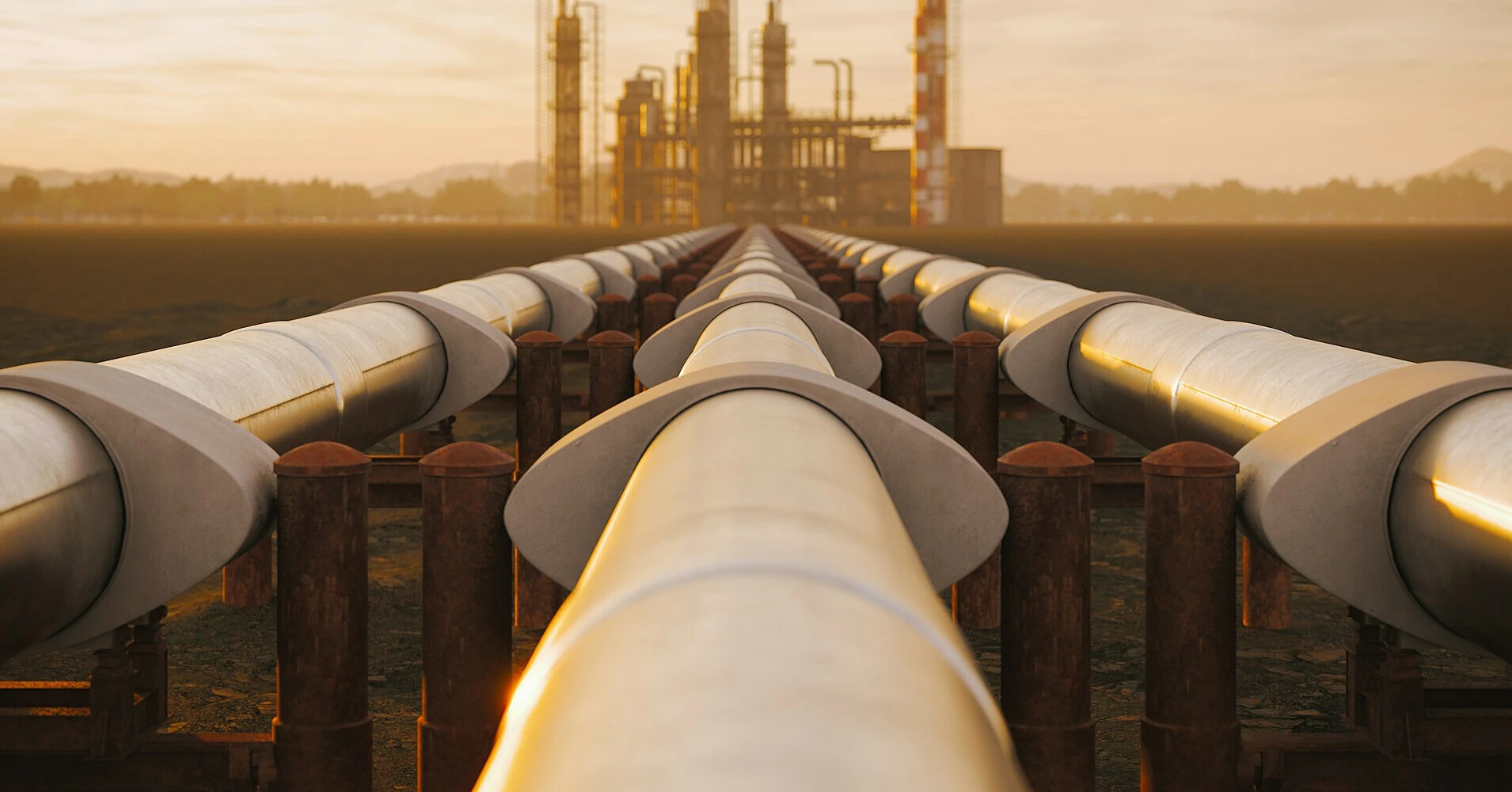
Yemen's Houthis on October 26 claimed new attacks on pumping stations of the strategic East-West oil pipeline in Saudi Arabia. This route ensures oil transportation to the Red Sea bypassing the Strait of Hormuz. Saudi authorities confirmed interception of a missile aimed at Riyadh, but did not report damage to oil infrastructure.
The Houthi statement was reported by Yemen Press Agency. Information on Saudi air defense actions was published by Arab News citing the kingdom's military command.
According to Houthi representatives, several drones attacked pumping stations of the East-West pipeline. The group also claimed launching a ballistic missile at King Khalid International Airport in Riyadh.
The Houthis claim that both operations achieved their targets. However, there is no independent confirmation of hits on the pipeline. It is unknown whether pumping stations were damaged and whether the claimed strikes affected oil transportation.
The Saudi-led military coalition reported that air defense forces intercepted a ballistic missile launched toward the capital. Subsequently, the coalition struck two missile launch pads in Houthi-controlled Sana'a.
The main oil export bypass route under threat
The East-West Pipeline, also known as Petroline, is of strategic importance to Saudi Arabia. It stretches approximately 1,200 kilometers from oil-producing areas in the east of the country to the port of Yanbu on the Red Sea coast.
Its maximum capacity is about 7 million barrels per day. According to Saudi Arabia's Ministry of Energy, in early October, approximately 5.8 million barrels of oil per day were transported through the pipeline.
The significance of the East-West Pipeline increased after large-scale disruptions in shipping through the Strait of Hormuz caused by the war in the Middle East. Thanks to the pipeline, Saudi oil can reach the Red Sea without passing through the dangerous area of the Persian Gulf.
However, the alternative route also remains vulnerable to attacks. In September, Saudi Arabia was forced to temporarily halt its operation after drone strikes on infrastructure.
As previously reported by Kurs.com.ua, objects of the pipeline system in the areas of Riyadh and Medina were hit at that time. The shutdown of East-West heightened concerns about oil export stability and contributed to rising global prices.
In early October, Saudi authorities reported restoration of significant volumes of transportation. Meanwhile, the country plans additional investment in pipeline infrastructure to increase its capacity to 10 million barrels per day within a few years.
New attacks create risks for the global oil market
The escalation around East-West occurs against the backdrop of prolonged disruptions in maritime energy shipments in the region. In addition to the Strait of Hormuz, shipping through the Bab el-Mandeb Strait, which connects the Red Sea with the Gulf of Aden, remains at risk.
For the oil market, the ability of Saudi Aramco to maintain stable supplies regardless of the situation in the Persian Gulf is particularly important. Prolonged disruption of East-West operations could reduce available export routes and increase logistics costs.
For Ukraine, which is largely dependent on imports of petroleum products, the new escalation in the Middle East creates additional risks of higher purchase prices for gasoline and diesel fuel. At the same time, the actual impact of the latest claimed attack on supply volumes and global prices is not yet established.
As of the morning of October 26, Saudi authorities have not confirmed damage to East-West pumping stations or a new shutdown of the pipeline.
Sources: Yemen Press Agency, Arab News, Argaam