Washington opens the way for "shadow fleet" tankers to the oil market
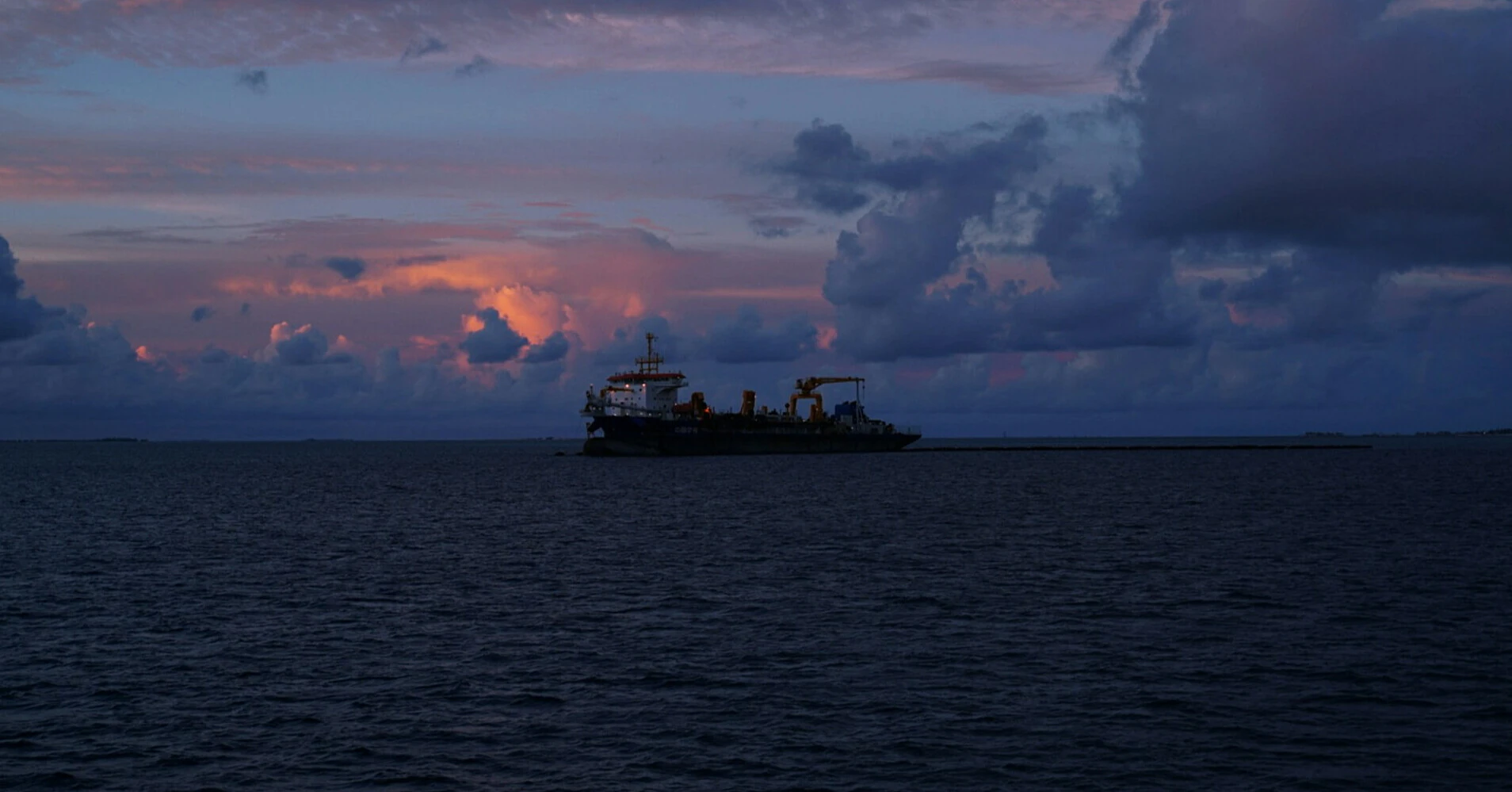
The administration of US President Donald Trump has begun to approve the sale of oil tankers that are under US sanctions. Washington hopes to return some of the "shadow fleet" vessels to legitimate shipping in order to increase the available capacity of the global tanker market and curb rising transportation costs.
US Energy Secretary Chris Wright announced this on October 19 during a Citadel Securities event in New York, Bloomberg reported.
According to him, US authorities are already cooperating with investors who are ready to purchase idle sanctioned tankers, restore their technical condition and use them to transport oil that is not subject to sanctions.
Wright stressed that this is not about a general lifting of sanctions against the "shadow fleet". Washington is introducing a clearance procedure that will allow individual vessels to return to legal commercial use provided they no longer transport sanctioned cargo.
According to the American minister, approximately 1,600 tankers belong to the global "shadow fleet". The implementation of the new initiative could potentially return dozens or even hundreds of vessels to the legal market. Specific deadlines and the list of tankers that will receive permits have not yet been announced.
The decision is related to a shortage of transport capacity in the global oil market, which has worsened due to the war with Iran and the virtual blockade of the Strait of Hormuz. Due to the danger to shipping and disruption of usual routes, the cost of maritime oil transportation has increased significantly.
According to Bloomberg, shipping oil from the Persian Gulf to East Asia costs more than six times more than before the conflict began. Meanwhile, more than 40% of the world's fleet of large supertankers are in the Persian Gulf or on approaches to it.
However, experts doubt that the American initiative can quickly lower freight rates. According to The National, analytics firm Kpler estimates the number of tankers under sanctions from the US Office of Foreign Assets Control (OFAC) at about 160 vessels. Of these, only 24 could potentially return to normal commercial shipping due to technical condition, age and ownership restrictions.
Analysts emphasize that the main factor of high shipping costs remains the danger of navigation in the Middle East. Therefore, even an increase in the number of available tankers does not guarantee a significant reduction in oil transportation prices.
Washington's new initiative continues a series of measures by the Trump administration aimed at increasing the supply of energy resources. Earlier, on October 9, the US Treasury Department issued General License No. 135, which allows certain operations for the sale, delivery and import of diesel fuel of Russian origin.
During his speech in New York, Wright also explained that Washington is considering the possibility of resuming Russian diesel exports as an incentive for Moscow to reduce the intensity of the war against Ukraine. According to him, Russia could increase supplies after stopping strikes on energy facilities, restoring refining capacities or reducing domestic fuel consumption by the military.
At the same time, the actual consequences of US decisions for the oil market will depend on the number of vessels that go through the clearance procedure and the restoration of safe navigation on key maritime routes.
Sources: Bloomberg, The National, US Treasury Department