
Expensive oil and France's problems threaten the euro exchange rate
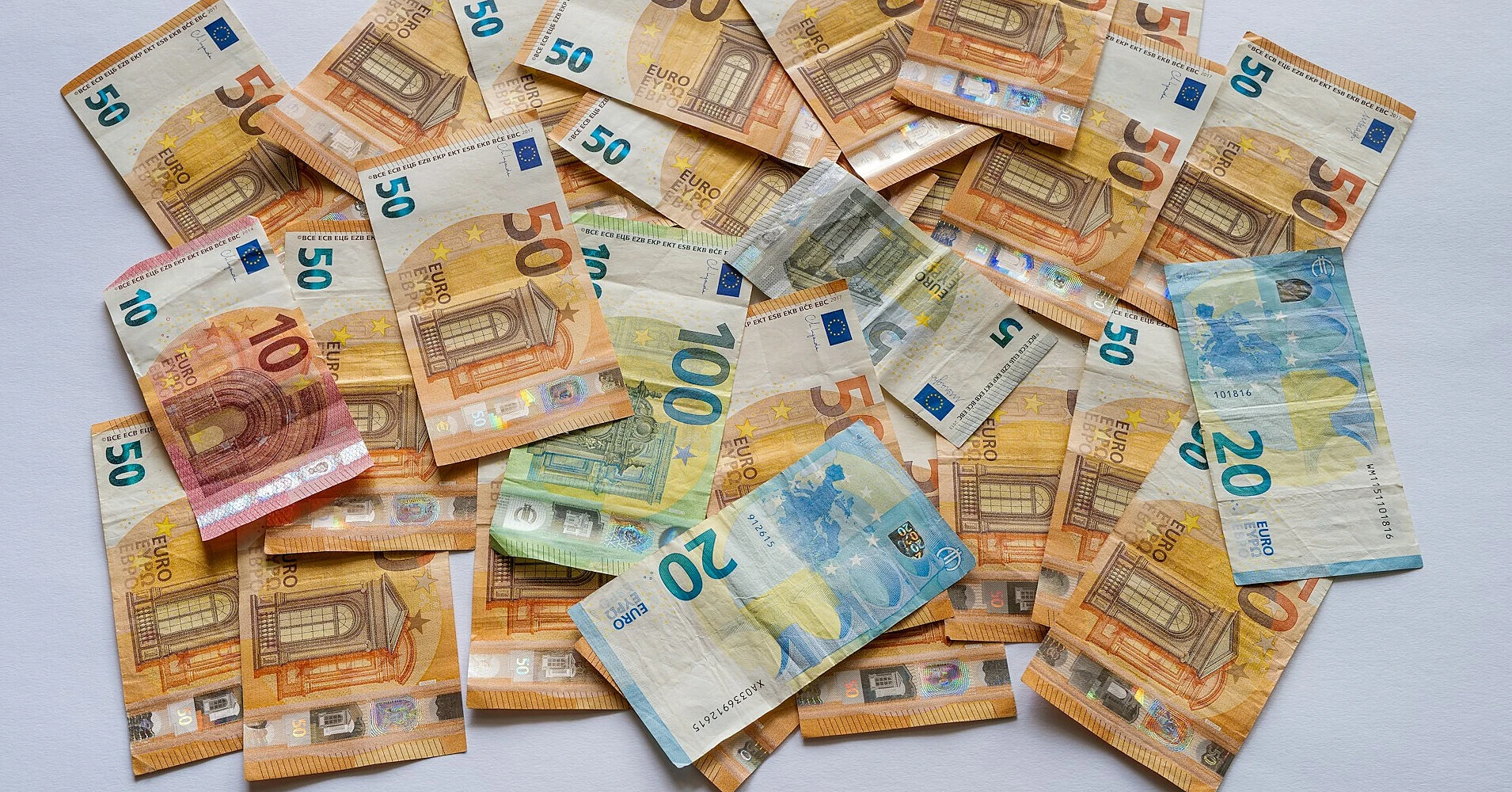
The euro on the international currency market FOREX remains sensitive to the combination of geopolitical risks, fluctuations in oil prices and financial problems of the largest eurozone economies.
The focus of investors is the situation in the Middle East, prospects for world oil prices and France's ability to control its growing public debt. For the European currency, these factors create additional risks, as they simultaneously affect inflation, economic growth and expectations regarding further actions of the European Central Bank (ECB).
Middle East and oil: additional pressure factor
The main source of short-term uncertainty remains the conflict in the Middle East. Any reports about threats to oil supplies, attacks on tankers or possible expansion of military actions cause sharp fluctuations in commodity prices and change sentiment in the currency market. This week Brent rose above $104 per barrel amid heightened concerns about supplies from the region. However, on Friday, October 9, quotes dropped to approximately $103.04 after Donald Trump's statements about diplomatic contacts with Iran and no plans for a military strike before the US midterm elections. At the same time, oil maintains a weekly gain.
For the euro, expensive oil poses a particular problem. Europe depends on energy imports, so prolonged high prices increase costs for businesses and households, worsen the trade balance and limit economic growth opportunities.
At the same time, more expensive commodities can accelerate inflation. In such a situation, the ECB faces a difficult choice: to ease monetary policy to support the economy or to maintain tight conditions longer to curb price growth. Uncertainty about the regulator's future decisions can increase volatility of the EUR/USD pair.
French public debt is a serious problem for the euro
Another pressure factor remains the deteriorating state of France's public finances. According to data published at the end of September, the country's public debt reached 3.596 trillion euros, or about 119% of GDP.
Investors are concerned not only about the scale of the debt, but also about political difficulties in reducing the budget deficit. Against the backdrop of the approaching 2027 presidential elections, markets assess the risks of unpopular budget measures and the government's ability to stabilize public finances.
In early October, the yield on French ten-year bonds rose to almost 5%, and the spread with the yield on similar German bonds widened sharply. This indicates that investors demand an additional premium for the risk of investing in French debt.
For the single European currency, the danger is that France's problems may extend beyond one country. If market participants start to fear the spread of debt risks to other eurozone states, pressure on the euro will intensify. At the same time, ECB actions and the resilience of the European financial system remain factors limiting fears of a large-scale debt crisis.
What to expect from EUR/USD
In early October, the euro already fell to 1.1161 dollars — the lowest level since May 2025. Pressure on the currency was exacerbated by French budget problems, a stronger dollar and concerns about inflation in the US.
In the coming days, the euro's dynamics will depend on several key factors:
- developments around Iran. Signs of diplomatic progress and reduced risks of oil supply disruptions could support the euro. A new escalation, on the contrary, could strengthen demand for the dollar as a safe-haven asset;
- dynamics of oil prices. A sustained decline in prices will reduce inflationary risks for Europe. A new spike in oil prices will increase concerns about economic growth and the eurozone's trade balance;
- news from France. A convincing plan to reduce the deficit and stabilize public debt could improve investor attitudes towards European assets. Further exacerbation of the budget and political crisis could again intensify euro sell-offs;
- US monetary policy. If American inflation remains high and the Federal Reserve maintains a tighter course, the dollar will gain an additional advantage over the euro.
