Oil approaches price high again despite increase in Middle East supplies
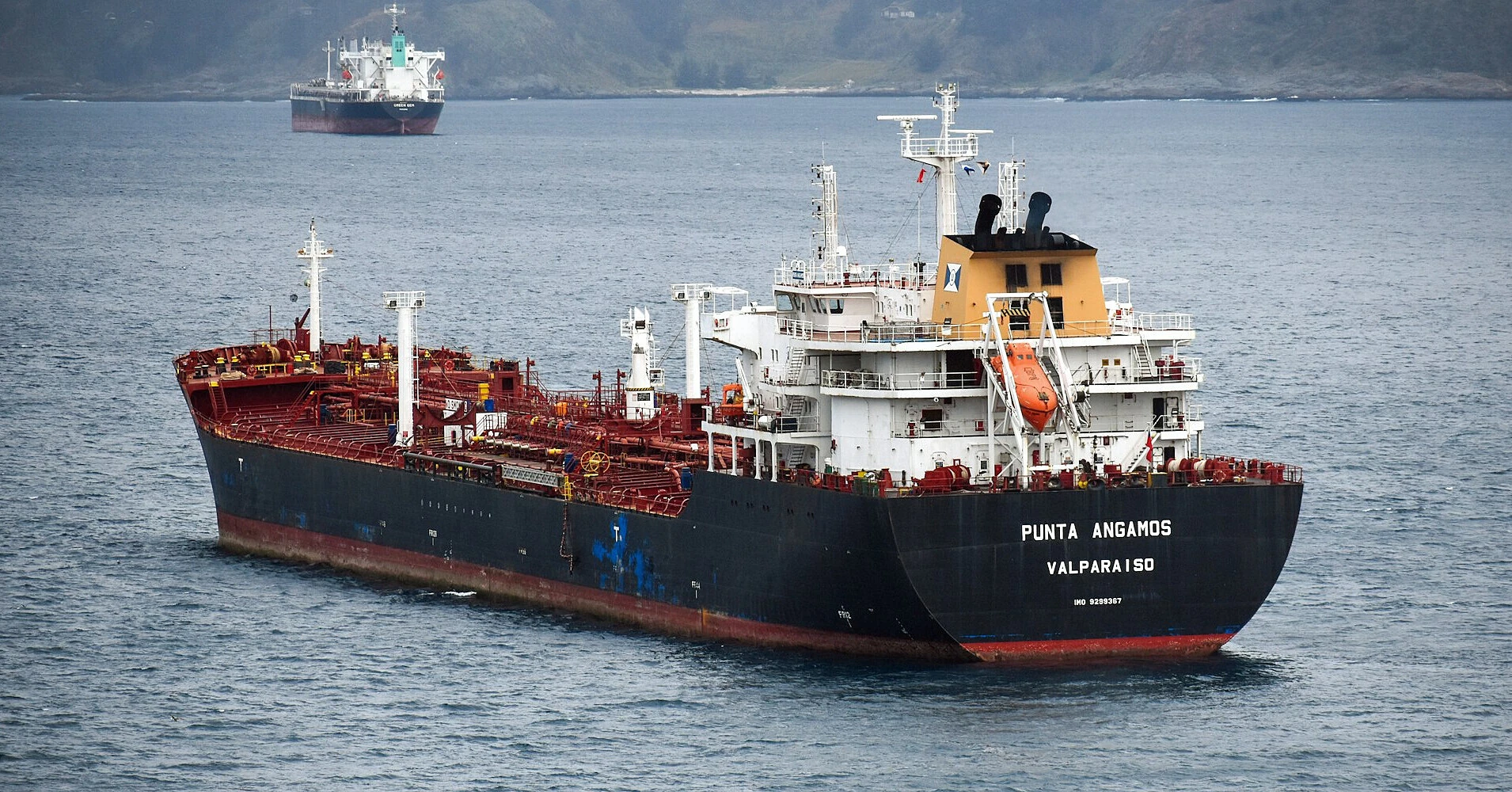
World oil prices continued to rise on Tuesday, October 20, despite the gradual recovery of crude exports from Persian Gulf countries. The market is reacting to the threat of new Iranian attacks in the Strait of Hormuz, as well as risks to tanker shipping and energy infrastructure in the Middle East.
As Bloomberg reports, oil quotes are holding near the highest levels since May this year.
According to Trading Economics, during trading on October 20, the price of Brent crude rose to about 111 dollars per barrel, adding about 1.6% during the day. American West Texas Intermediate (WTI) crude traded near 100 dollars per barrel.
The main factor behind the growth remains concerns about the security of supplies through the Strait of Hormuz, which is one of the key routes for transporting oil from the Persian Gulf to world markets.
First Vice President of Iran Mohammad Reza Aref said that Tehran is forced to establish control over the Strait of Hormuz to guarantee its own security. His words were circulated by the Iranian state agency IRNA.
This statement came after another escalation of the situation around the strategic sea route. In recent days, there have been reports of new attacks on commercial vessels and energy facilities in the region.
At the same time, actual volumes of oil supplies from the Persian Gulf are gradually recovering. US Energy Secretary Chris Wright said in an interview with Fox News that crude exports reached about 80% of the pre-war level.
However, the situation with petroleum products remains more complicated. According to the American minister, supplies of refined fuel are still limited, despite the increase in crude oil export volumes.
This creates additional risks for the diesel fuel market, especially in Europe. Bloomberg notes that diesel quotes in Europe were growing even faster than oil prices.
An additional factor of instability remains the high costs of maritime transportation of energy carriers. As The Wall Street Journal notes, shipping risks and higher tanker freight costs continue to support prices, even as physical supplies of crude increase.
Market sentiment is also influenced by strikes on energy infrastructure within the Russian-Ukrainian war, which create additional uncertainty regarding oil and petroleum product supplies.
For countries dependent on fuel imports, the continued persistence of high oil quotes means additional costs for purchasing gasoline and diesel. In particular, this may affect the cost of road transportation, agricultural products, and logistics services.
At the same time, the recovery of exports from the Persian Gulf remains a factor that restrains further price growth. The further situation on the oil market will depend primarily on the safety of shipping in the Strait of Hormuz and the stability of energy supplies.
Source: Bloomberg, Trading Economics, The Wall Street Journal