Central banks increase gold purchases to highest since 2024
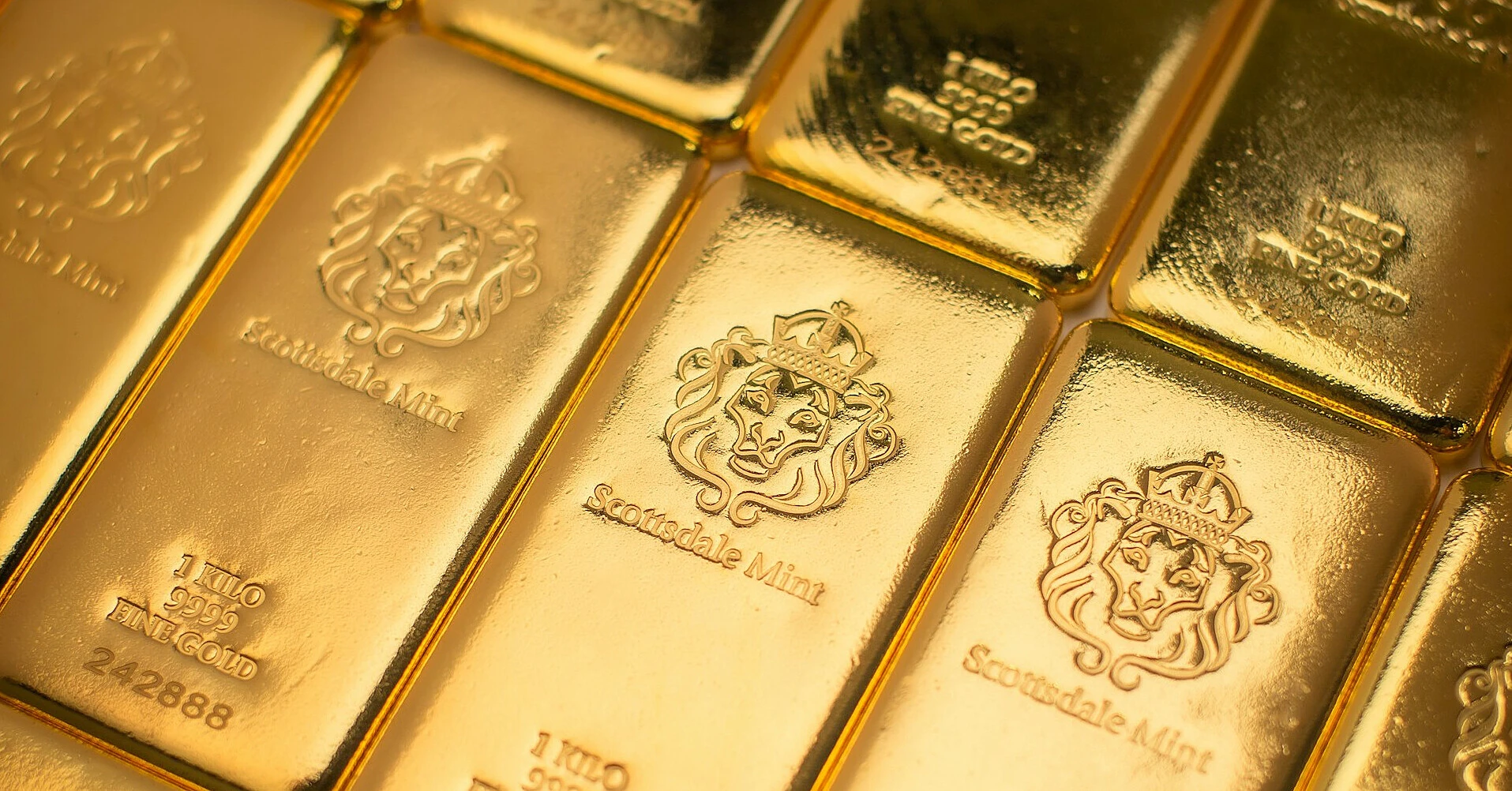
Central banks around the world sharply increased gold purchases in the third quarter of 2026. The volume of net purchases of the precious metal rose by 42% compared to the same period last year - to 321 tons. This is the highest quarterly figure since late 2024.
This is according to the Gold Demand Trends report by the World Gold Council, published on November 3.
In the first nine months of 2026, central banks bought a total of 675 tons of gold - 6% more than in the same period of 2025. The third-quarter figure also exceeded the average quarterly level over the past five years, which is about 227 tons.
Among the countries that officially reported replenishing reserves, the largest buyers were China and Poland. The People's Bank of China increased gold reserves by 63 tons, and the National Bank of Poland - by 40 tons. Together they accounted for about 86% of the officially declared net purchases for the quarter.
At the same time, the World Gold Council notes that official statistics do not cover all operations. Of the total estimated volume of 321 tons, published purchases account for about 120 tons. The rest is included in demand estimates, including due to reporting delays or undisclosed operations.
Experts explain the persistent interest of central banks in gold by long-term goals of diversifying international reserves and managing financial risks. Active purchases continued despite historically high metal prices.
In parallel, inflows to exchange-traded funds backed by physical gold (ETFs) resumed. In the third quarter, such funds increased holdings by 211 tons after outflows in the previous quarter. The total volume of gold in their assets reached a record 4,256 tons.
Instead, demand from private investors for gold bars and coins decreased by 19% year-on-year - to 268 tons. The World Gold Council attributes this to uncertainty about the future price dynamics of the precious metal.
A decline was also recorded in the jewelry segment. Global demand for gold jewelry fell by 17% - to 313 tons, which is the lowest quarterly figure for the third quarter since the beginning of records in 2000. High prices forced buyers to choose lighter items with lower gold content more often.
Total global gold demand, including over-the-counter operations, amounted to 1,369 tons, down 1% compared to last year. However, its value increased by 22% - to $188 billion. The average gold price in the third quarter reached $4,262 per troy ounce, 23% higher than a year earlier.
The World Gold Council expects that central bank purchases for the whole of 2026 will at least match the level of 2025. At the same time, the further dynamics of investment demand will depend on interest rates, inflationary risks, and the geopolitical situation.
Based on materials: World Gold Council - Gold Demand Trends Q3 2026, World Gold Council - Central Banks