The US demanded that Walmart, Uber and airlines disclose pricing algorithms
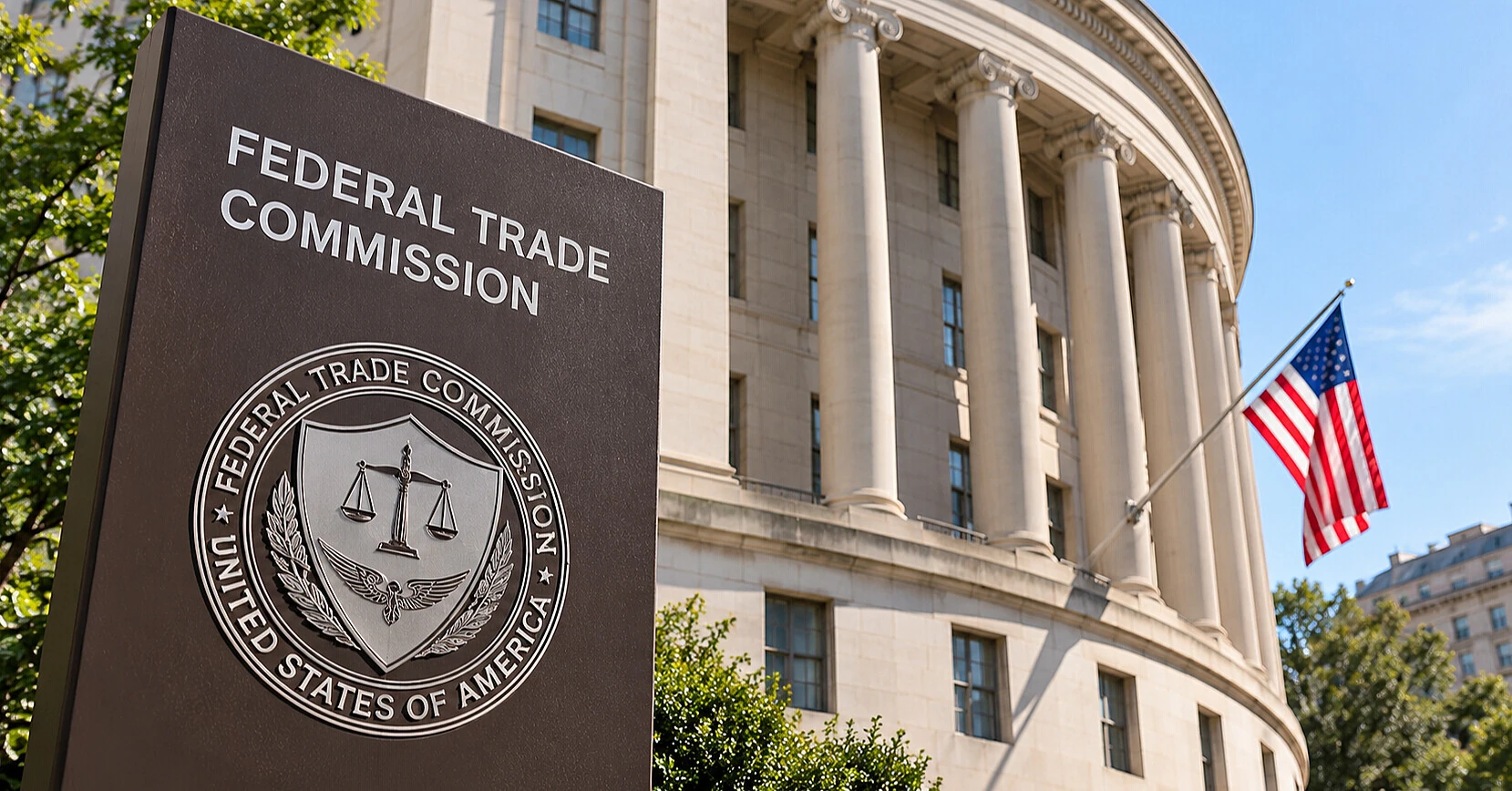
The US Federal Trade Commission (FTC) has demanded that nine major companies, including Walmart, Uber and several airlines, disclose information about the use of customers' personal data for setting prices. The regulator intends to find out whether companies can offer different prices to different buyers for the same goods and services, based on their income, location and purchasing habits.
Reuters reported this on October 28, citing a senior FTC official.
Requests were sent to nine companies in the retail, passenger transportation and delivery sectors:
- Walmart and Target — the largest American retail chains;
- Uber and Lyft — ride-hailing services;
- DoorDash and Instacart — goods and grocery delivery platforms;
- Delta Air Lines, United Airlines and JetBlue — airlines.
The regulator demands explanations on whether these companies use geolocation data, website visit history, purchases, income and other customer characteristics to individually determine the cost of goods and services.
In addition to consumer prices, the investigation will cover algorithms affecting wages and terms of job offers. This is particularly relevant for digital platforms, where automated systems may participate in dispatching orders and calculating compensation for workers.
According to Reuters, the FTC intends to study the technologies used by the companies, the sources of personal data and the operating principles of the algorithms. Based on the materials received, the agency plans to prepare a study that will help lawmakers and regulators determine the need for additional restrictions.
One of the main complaints about personalized pricing is the opacity of the algorithms. A buyer may not know that the price of a product or service has been calculated specifically for them, while another person under similar conditions receives a better offer.
The development of artificial intelligence allows companies to process large amounts of information and assess the maximum amount a particular consumer is potentially willing to pay.
At the same time, personalized prices differ from ordinary dynamic pricing, where the cost of a ride, plane ticket or product changes for all customers depending on demand, time of day or service availability.
In January 2025, the FTC published preliminary results of a study on such technologies. The regulator found that some providers of algorithmic solutions can even track computer mouse movements and items left by a user in an online store's cart.
In August 2026, the commission proposed clarifying the rules for applying personalized prices. FTC Chair Andrew Ferguson warned that the hidden use of personal data to change the cost of goods might violate US consumer protection law.
At the same time, the commission acknowledged that it does not have the authority to completely ban personalized pricing in all cases.
Retail representatives defend the use of personal data to provide discounts and reward regular customers. The National Retail Federation previously opposed legislative restrictions that could affect loyalty programs.
In turn, Walmart's management stated in September that the company does not use customers' personal data to set individual prices. The retailer also promised not to raise the price of products based on information obtained through its AI assistant Sparky.
The current FTC requests do not mean that the nine companies have already been found guilty of violations. The regulator is currently gathering information about the technologies used and their impact on consumers and workers. The deadlines for completing the study and publishing its results have not been announced.