UAE beaches closed due to oil spill from tanker: ports and desalination at risk
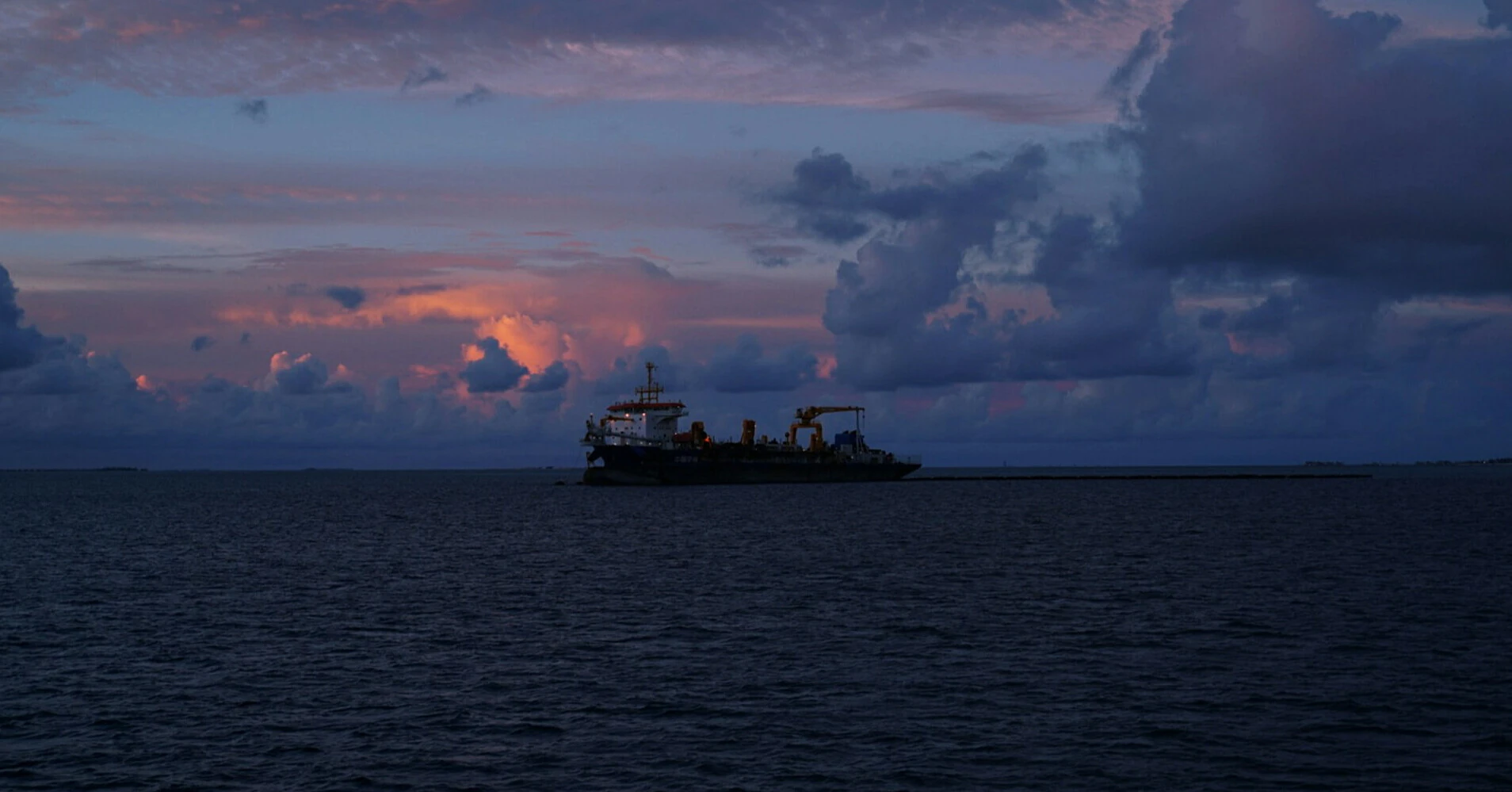
All beaches and coastal areas of the emirate of Umm Al Quwain in the United Arab Emirates have been temporarily closed due to an oil spill from a tanker in the Persian Gulf. Oil products have already reached the shore, and maritime analysts warn of possible spread of pollution towards ports and desalination plants of neighboring emirates.
This was reported by the UAE Ministry of Climate Change and Environment. Details were given by local media Gulf News and The National.
Authorities confirmed pollution of the Umm Al Quwain coastline and began a containment operation. Federal and local services are involved, setting up protective booms, cleaning affected areas and assessing the impact on the marine environment.
All beaches and coastal areas of the emirate will remain closed until surveys are completed and necessary safety measures are determined. Authorities have not yet given a specific date for reopening.
Fishermen and other users of marine waters were advised to refrain from activities in polluted areas and follow instructions of relevant services.
Problems began to emerge even before the official confirmation of the spill. For several days, residents of Sharjah, Ajman and Umm Al Quwain reported a strong smell of oil products. Initially, local authorities were checking its origin, and later environmental monitoring confirmed a leak from a tanker.
The UAE Ministry of Environment noted that the smell itself, which residents of three emirates detected, does not pose a threat to their health according to inspections. At the same time, access restrictions to the polluted coast remain in force.
The greatest concern is the possible spread of the oil slick to port infrastructure and water supply facilities.
According to maritime analytics company Windward, satellite images from October 19 captured a large oil tanker about 25 kilometers north of the coast of Umm Al Quwain. Behind the vessel an oil slick about 1.5 kilometers long stretched.
Based on satellite observations, Windward modeled the possible movement of pollution under the influence of sea currents. According to this forecast, oil could reach the coast of Umm Al Quwain on October 22, and within the next two days approach the ports of Hamriyah and Ajman, coastal mangrove ecosystems and water intakes of desalination plants.
Of particular importance are desalination plants, which provide a significant part of the fresh water needs of the Persian Gulf countries. The ingress of oil products into areas of seawater intakes could potentially complicate their operation and require additional protective measures.
At the same time, there are currently no reports of ports stopping or disruptions at desalination plants. Windward emphasizes that the model reflects possible pollution movement without taking into account spill response measures or stopping the leak itself.
The scale of the incident remains unknown. UAE authorities have not yet reported the amount of oil that entered the water, the size of the polluted area, or a preliminary assessment of environmental damage.
The tanker that was the source of the leak has not been officially named.
As The National notes, the incident occurs against the backdrop of recent attacks on oil vessels in the Persian Gulf. In particular, on October 9, the Panama-flagged supertanker Gem No.2 was struck near the UAE coast, after which a fire broke out on board.
According to Indian state broadcaster Akashvani, all 22 crew members of the vessel were saved.
However, a link between the damage to Gem No.2 and the current oil spill has not been officially confirmed. The causes of the leak and responsibility remain unresolved.
Environmentalists warn that the consequences of oil spills can persist for a long time even after surface cleanup. According to experts interviewed by The National, oil products can be transported by currents, accumulate in coastal ecosystems and harm marine organisms.
For the economy of coastal areas, consequences may include restrictions on fishing, additional costs for coastal cleanup and a temporary decline in tourism activity. Further impact on maritime logistics will depend on the scale of pollution and the effectiveness of containment efforts.
Based on materials from: Gulf News, The National, Windward / Maritime Professional